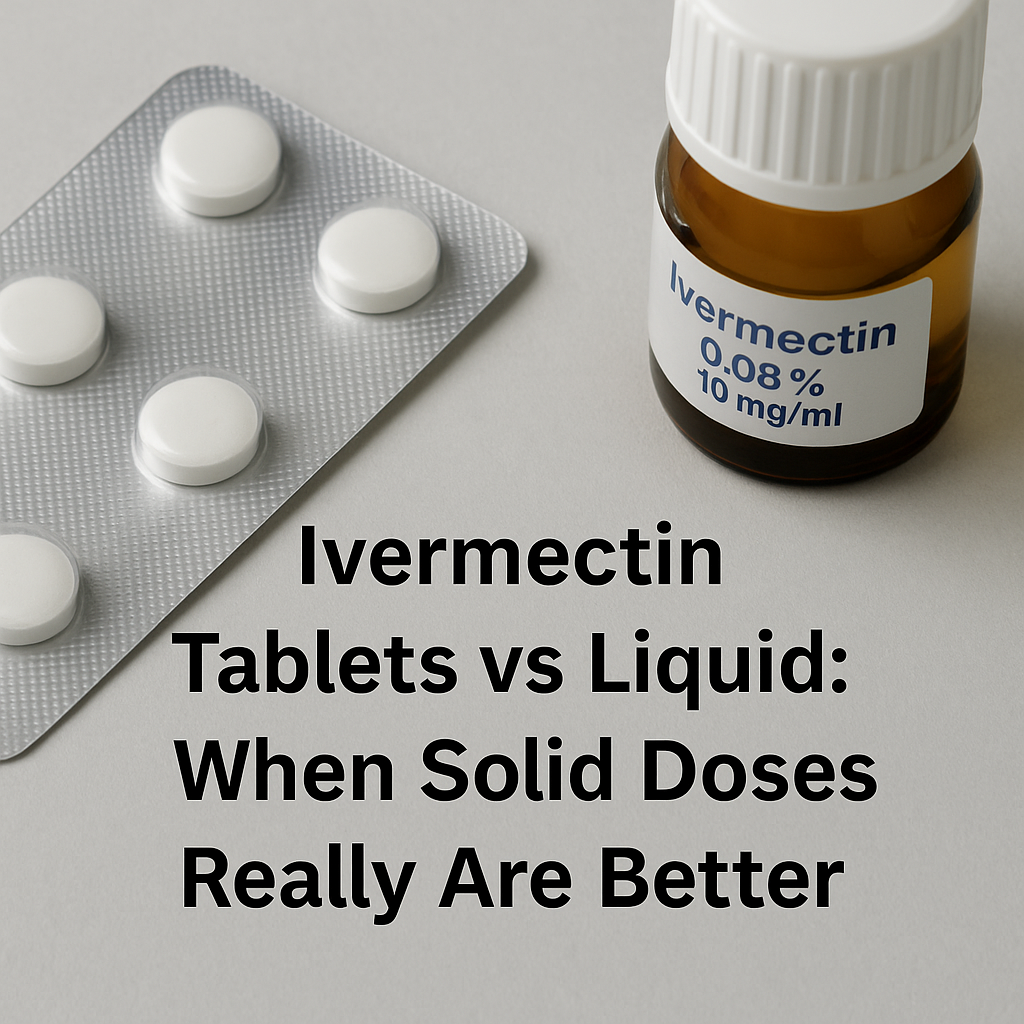
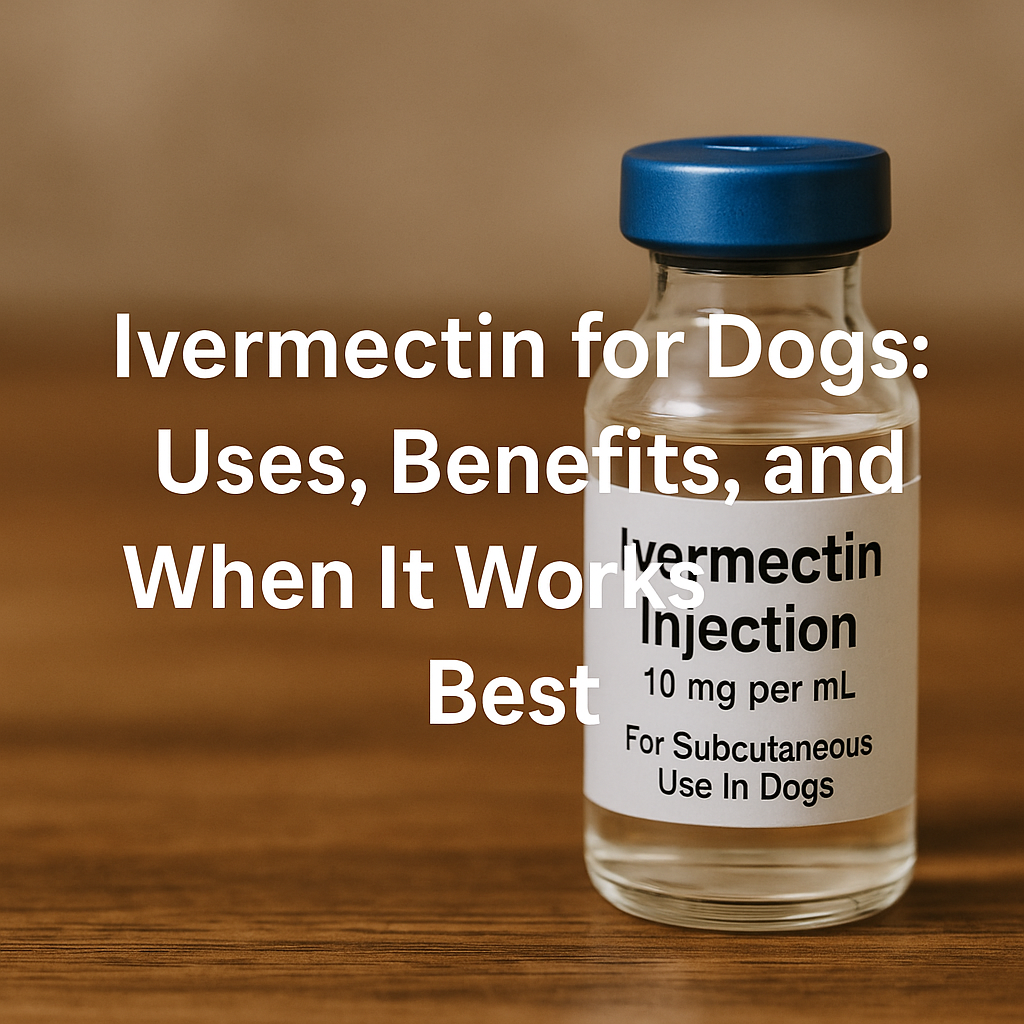
Ivermectin has been used in veterinary medicine for decades, and when it’s used correctly, it can be one of the most effective tools for protecting dogs from certain parasites. Understanding what ivermectin does well—and where its limits and risks lie—helps you and your veterinarian get the best results for your dog.
What Ivermectin Does Best for Dogs
Ivermectin is an antiparasitic medication. Its biggest benefit is how well it targets specific internal and external parasites that can seriously harm dogs. In most cases, it’s used in low, carefully measured doses that are both effective and well tolerated.
Powerful prevention of heartworm disease
One of the most important uses of ivermectin in dogs is heartworm prevention. At low monthly doses, ivermectin-based preventives kill heartworm larvae transmitted by mosquitoes before they can mature into adult worms in the heart and lungs. This is where ivermectin delivers some of its best results:
- Prevents a life‑threatening disease: Heartworm can cause heart failure, lung damage, and even death. Preventive ivermectin stops the infection early.
- More effective and safer than treatment: Treating established heartworm disease is expensive, lengthy, and higher risk. Monthly ivermectin-based prevention is far simpler and safer.
- Convenient dosing: Most heartworm preventives are flavored chewables or tablets given once a month, making it easy to build a routine.
When owners say they see the “best results” with ivermectin, they’re often talking about years of consistent heartworm prevention with no infections, even in high‑risk, mosquito‑heavy areas.
Effective control of many intestinal parasites
Ivermectin can also help control certain intestinal parasites, depending on the exact product and combination of ingredients. In some prescription formulations, ivermectin is combined with other dewormers to broaden coverage. Benefits can include:
- Reduced parasite load: Lower levels of roundworms and other susceptible parasites mean less digestive upset, better nutrient absorption, and improved overall condition.
- Less contamination in the environment: Fewer eggs shed in stool can reduce the risk of re‑infection for your dog and other pets.
Because intestinal parasite coverage varies by brand and formulation, your veterinarian will recommend a product that targets the specific worms common in your region and relevant to your dog’s lifestyle.
Targeted treatment for certain mites and skin parasites
Another area where ivermectin can provide strong benefits for dogs is in the treatment of some mite infestations. In carefully managed doses, veterinarians may use ivermectin to help with:
- Demodectic mange (demodicosis): In some cases, ivermectin can help reduce the number of demodex mites in the skin, improving hair regrowth and comfort.
- Sarcoptic mange (scabies): Ivermectin may be part of a treatment plan to eliminate scabies mites, which cause intense itching and crusted lesions.
These uses typically involve higher or more frequent dosing than heartworm prevention and must be supervised closely by a veterinarian to avoid side effects, especially in sensitive breeds.
Key Benefits Dog Owners Notice with Proper Ivermectin Use
When ivermectin is prescribed and dosed appropriately, owners often see clear, practical benefits in their dogs’ health and comfort.
1. Long‑term protection and peace of mind
The biggest everyday benefit is peace of mind. Consistent use of an approved ivermectin-based preventive means:
- Your dog is protected against heartworm infection month after month.
- Your vet can focus on prevention instead of emergency treatment for advanced disease.
- You avoid the emotional and financial strain that comes with treating severe parasitic illness.
For many families, this long‑term protection is the single most valuable result they get from ivermectin products.
2. Better skin and coat when mites are controlled
In dogs with mite‑related skin issues, successful ivermectin therapy can lead to:
- Less scratching, chewing, and restlessness.
- Reduced redness, scaling, and crusting of the skin.
- Gradual thickening and shine returning to previously thin or patchy coats.
Because skin healing takes time, the best results usually appear over weeks to months, not overnight. Your vet will typically schedule follow‑ups to track progress.
3. Improved overall comfort and energy
Parasites can drain a dog’s energy, cause gastrointestinal upset, or make them feel generally unwell. When ivermectin is used as part of a broader parasite control plan, many owners report:
- Better appetite and more stable weight.
- Increased willingness to play and exercise.
- Fewer bouts of unexplained digestive trouble related to worms.
These improvements often reflect a dog’s body no longer having to fight a constant burden of parasites.
When Ivermectin Is Most Appropriate for Dogs
To get the best results from ivermectin for dogs, it should be used in the right situations and in the right form.
Best uses with veterinary‑approved products
In dogs, ivermectin works best when given as part of a licensed, veterinary‑approved product. Common scenarios include:
- Routine heartworm prevention: Monthly chewables or tablets containing ivermectin, often combined with other ingredients for broader parasite control.
- Targeted mite treatment: Vet‑directed courses of ivermectin for specific skin conditions when other options are not suitable or have not worked well enough.
- Strategic deworming: In combination with other antiparasitics under veterinary guidance to address multiple internal parasites at once.
Using approved formulations ensures the dose is appropriate for dogs, palatable, and backed by safety and quality controls.
Why dosing and breed sensitivity matter
Ivermectin’s benefits come with an important caveat: some dogs are more sensitive to it than others. Certain herding breeds and mixed breeds that carry specific genetic variants can have severe reactions to higher doses. For these dogs, a veterinarian may:
- Recommend genetic testing before using higher‑dose ivermectin protocols.
- Choose alternative medications for mite treatment or deworming.
- Stick strictly to low‑dose heartworm prevention if it’s considered safe for that individual dog.
This is why copying livestock doses, using farm formulations, or guessing on dose can be dangerous. The best results always come from tailored veterinary advice.
Limits and Tradeoffs of Ivermectin in Dogs
Even though ivermectin has many benefits, it isn’t a cure‑all. Understanding its limits helps you use it wisely.
Not effective for every parasite or every situation
Ivermectin does not cover all parasites that can affect dogs, and it isn’t always the best choice for every infection. For example:
- Some intestinal worms and protozoa require different medications.
- Flea and tick control generally relies on other drugs and preventives.
- Established, advanced heartworm disease needs a specific treatment protocol, not just ivermectin alone.
For comprehensive protection, most dogs need a combination of products, with ivermectin playing a central but not exclusive role.
Potential side effects at higher or inappropriate doses
At the low doses used in approved heartworm preventives for most dogs, side effects are uncommon. Problems are more likely when:
- High doses are used for mange or off‑label purposes without proper supervision.
- Owners use concentrated livestock formulations intended for other species.
- Dogs with genetic sensitivity receive doses that are too high for their system to handle.
Signs of ivermectin toxicity can include disorientation, dilated pupils, tremors, weakness, or even seizures. Any of these symptoms in a dog that has received ivermectin or a similar product is an emergency and needs immediate veterinary care.
Real‑World Scenarios: When Ivermectin Shines
Putting it all together, here are some common real‑world situations where ivermectin gives dogs and their owners clear, practical benefits.
A young dog starting lifelong heartworm prevention
A healthy puppy in a heartworm‑endemic area is started on a monthly ivermectin-based preventive after testing and veterinary exam. Over the years, consistent dosing keeps the dog heartworm‑free, even through peak mosquito seasons. The owner sees no signs of illness, and yearly testing confirms the preventive is working as intended.
A rescue dog with mange and poor coat quality
A rescued dog arrives with hair loss, thickened skin, and intense itching due to a mite infestation. After diagnosis, the veterinarian designs a treatment plan that may include ivermectin alongside medicated baths and supportive care. Over several weeks, the dog’s itching subsides, patches of fur begin to regrow, and the dog becomes more comfortable and social.
A multi‑pet home needing broad parasite control
In a household with several dogs, the veterinarian recommends an ivermectin-based heartworm preventive that also targets certain intestinal worms. Combined with a separate flea and tick product, this approach simplifies the routine: one monthly tablet covers heartworm and some internal parasites, while another product handles external parasites. The result is fewer infestations, easier scheduling, and healthier pets overall.
Getting the Best Results from Ivermectin for Your Dog
To make the most of ivermectin’s benefits for dogs, focus on a few core principles:
- Work with your veterinarian: Never start, stop, or change ivermectin dosing without professional guidance. Your vet will consider breed, weight, age, health status, and local parasite risks.
- Use dog‑specific, approved products: Choose formulations made for dogs instead of farm or human products. This improves safety, accuracy, and ease of use.
- Stay consistent with prevention: Set reminders for monthly dosing and keep up with yearly testing as your veterinarian recommends.
- Monitor for side effects: If you notice unusual behavior, weakness, or neurologic signs after dosing, contact your veterinarian immediately.
Used correctly, ivermectin can be a cornerstone of your dog’s parasite prevention plan, offering reliable protection against heartworm and specific mites while contributing to better comfort, energy, and long‑term health.
If you’re exploring broader information about this medication, you can also review additional resources in our ivermectin category at /category/ivermectin/, and discuss any questions with your veterinary team.
Thanks for reading our blog.