As antiparasitic resistance becomes a bigger concern in both pets and livestock, more owners are reading labels and asking detailed questions about ivermectin dosage. That’s a positive trend—but it also raises the risk of well‑intentioned dosing mistakes when people try to adjust amounts on their own or use products off‑label across species.
This guide walks through how ivermectin is commonly used in different animals, why dosage varies so much by species and product type, and the key safety issues to understand before any dose is given. It is general information only and is not a substitute for a veterinarian’s advice.
How Ivermectin Works and Why Dose Matters
Ivermectin is a broad‑spectrum antiparasitic drug used in many species to help control internal and external parasites, such as certain worms and mites. It acts on parasite nerve and muscle cells, leading to paralysis and death of the parasite. In mammals, the drug is handled very differently depending on species, age, genetics, and health status.
Why careful dosing is critical:
- Narrower safety margin in some species and breeds: Certain dogs, small mammals, and young or debilitated animals can experience toxicity at doses that are well tolerated by cattle or horses.
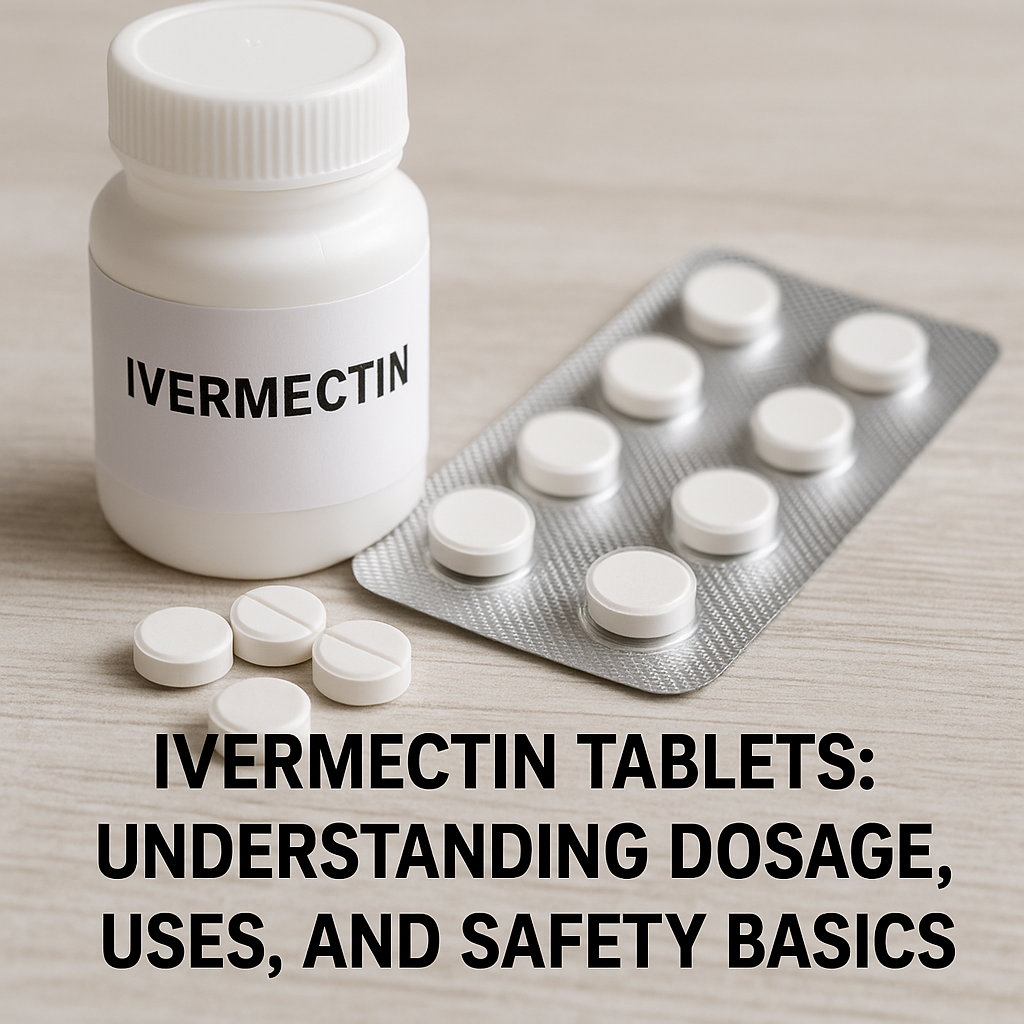
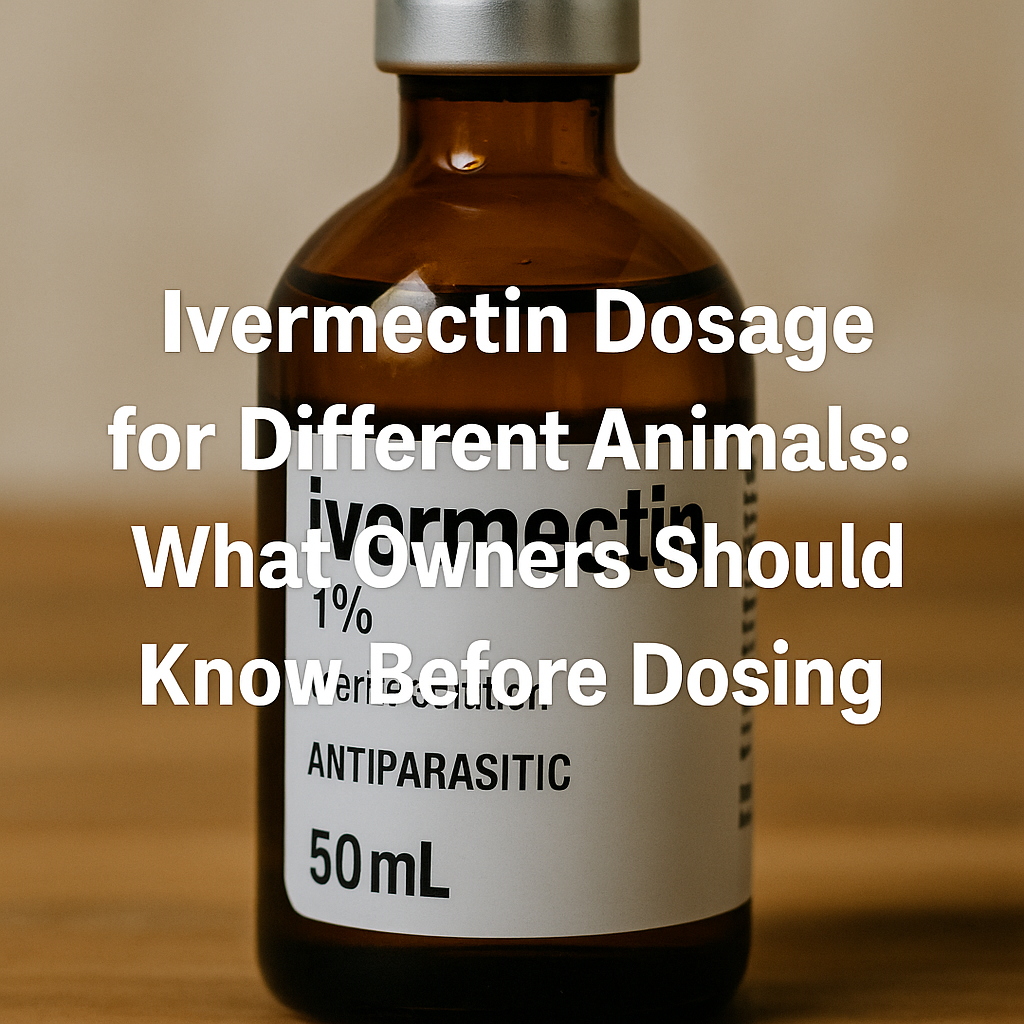
- Different formulations have different concentrations: Pour‑ons, injectables, pastes, and tablets are not interchangeable. A volume that is safe in a 1% injectable for cattle could be dangerous if mistakenly given as a 3 mg tablet or a concentrated equine paste.
- Parasite target and purpose affect dose: Typical informational ranges differ when ivermectin is used for heartworm prevention, for intestinal worms, or for mites and mange.
Because of these variables, any ivermectin dosage for animals must be based on the specific species, weight, product, and purpose—under veterinary guidance.
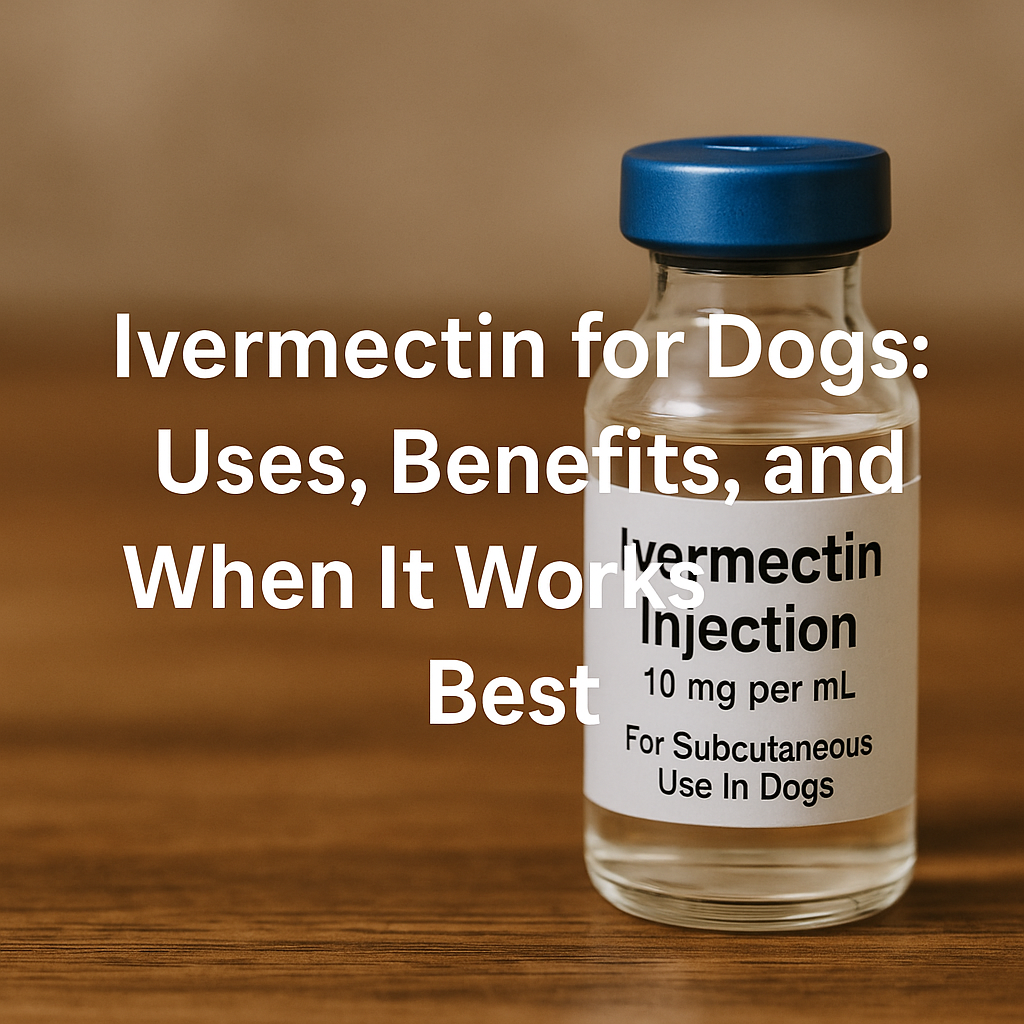
Ivermectin in Dogs: Narrow Safety Window for Some Breeds
Ivermectin is widely known in dogs as a component of monthly heartworm preventives. In those products, it is used at low doses that are generally well tolerated in most breeds.
Common informational uses in dogs
- Heartworm prevention: Very low, regular doses combined with other ingredients to control intestinal parasites.
- Mange (demodectic or sarcoptic), ear mites, or off‑label parasite control: Vets may use higher, carefully calculated doses or alternative medications, depending on the case.
Breed sensitivity and the MDR1 gene
Certain herding breeds and mixes (such as Collies, Australian Shepherds, Shetland Sheepdogs, and others) may carry a mutation in the MDR1 (ABCB1) gene. This can reduce the body’s ability to keep ivermectin out of the brain, increasing the risk of neurotoxicity at doses that most other dogs tolerate.
- Signs of overdose in dogs can include drooling, vomiting, disorientation, dilated pupils, tremors, blindness, seizures, and coma.
- Genetic testing is available for the MDR1 mutation; your veterinarian can advise whether testing is appropriate for your dog.
Safety note: Never give a dog cattle or horse ivermectin products, or adjust a livestock dose “down” for a dog, without explicit veterinary instruction. Even small errors can be dangerous in sensitive animals.
Ivermectin in Cats: Primarily Prescription‑Based
Cats are more sensitive than many owners realize, and there are fewer over‑the‑counter ivermectin products labeled specifically for feline use. Veterinarians may prescribe ivermectin or related drugs for particular parasites, but dosing is precise and based on the cat’s weight and health status.
Informational examples of how vets may use ivermectin in cats
- Ear mites: As part of prescription ear medications or systemic treatment plans.
- Certain intestinal parasites: In specific circumstances and with veterinary oversight.
What owners should avoid:
- Do not use dog, horse, or livestock ivermectin products on cats.
- Do not attempt to approximate a “cat dose” from another species’ product.
- Always confirm with a vet before giving any ivermectin‑containing product to a cat, including topical combinations.
Horses: High Body Weight, Higher Doses—But Still Risky
In horses, ivermectin is commonly used as part of deworming programs. Equine ivermectin pastes and gels are formulated for large body weights, and their labels provide weight‑based dosing instructions.
Typical informational uses in horses
- Control of gastrointestinal worms: Such as large and small strongyles, ascarids, and pinworms.
- Bots and some external parasites: Depending on the product and combination ingredients.
Important safety points for horses
- Accurate weight matters: Under‑dosing can contribute to resistance; over‑dosing can increase side‑effect risk, especially in foals, minis, and compromised horses.
- Miniature horses and foals: Their small size and different metabolism make precise dosing and veterinary guidance particularly important.
- Shared barns with dogs or farm pets: Dogs can be poisoned by eating ivermectin‑rich horse manure or spilled paste; keep treated horses separated from at‑risk dogs as directed by your vet.
Cattle: Different Formulations, Different Routes
In cattle, ivermectin is used for both internal and external parasites. Products are designed for large animals and may come as injectables, pour‑ons, or oral formulations. Each has its own concentration and label instructions.
Common informational uses in cattle
- Internal parasites: Certain gastrointestinal worms and lungworms.
- External parasites: Lice, mites, some types of grubs and ticks, depending on the product.
Special considerations in food‑producing animals
- Withdrawal times: There is usually a required interval between the last dose and slaughter or milking to ensure residues fall below legal limits.
- Species‑ and age‑specific directions: Different products have different label claims and safety data for calves, dairy cows, and beef cattle.
Important: Ivermectin products labeled for cattle are not automatically safe for other species. Never repurpose a cattle pour‑on or injectable for pets, horses, goats, or pigs without veterinary direction.
Sheep and Goats: Smaller Ruminants, Different Parasite Pressures
Sheep and goats can be particularly challenging to manage for internal parasites, and ivermectin is one of several dewormers used in rotational or targeted treatment programs.
Informational uses in small ruminants
- Gastrointestinal worms: Including species that can cause anemia, weight loss, and poor growth.
- External parasites: Certain mites or lice when appropriate formulations are used.
Because resistance is a major issue in small ruminant parasites, veterinarians increasingly recommend:
- Targeted selective treatment based on fecal egg counts, body condition, and clinical signs, rather than blanket whole‑flock dosing.
- Correct species‑specific dosing—goats, for example, often metabolize some drugs differently than sheep, so dosing strategies may differ.
Pigs: Deworming and Management Programs
In pigs, ivermectin may be used to control certain internal and external parasites as part of a herd health program. Label directions vary by product and whether pigs are kept in commercial operations, smaller farms, or backyard settings.
- Internal parasites: Such as specific roundworms that impair growth and feed efficiency.
- External parasites: For example, some mange mites or lice, when indicated on the product label.
As with other food animals, observing withdrawal times and following veterinary guidance is essential to avoid residues in meat.
Other Species: Rabbits, Birds, and Exotics
Ivermectin is sometimes used off‑label in species such as rabbits, poultry, cage birds, and exotic pets for certain parasites. In these animals, the margin between an effective dose and a harmful one can be very small.
- Rabbits: May receive ivermectin under veterinary supervision for mites or other parasites, but dosing is highly specific.
- Poultry and cage birds: Ivermectin or related drugs may be used off‑label for mites or worms, again with careful calculation and attention to egg or meat withdrawal times.
- Reptiles and other exotics: Only a veterinarian familiar with the species should determine whether ivermectin is appropriate at all.
Owners should never extrapolate from dog, cat, horse, or livestock products to these smaller or exotic species. The risks of toxicity are significant when dosing is improvised.
Why You Shouldn’t Mix and Match Ivermectin Products
One of the most common sources of confusion is the assumption that all ivermectin products are essentially the same and can be interchanged if the milligram or percent strength is adjusted. In reality, several factors make this unsafe:
- Concentration differences: A small difference in percent strength can dramatically change the safe volume for a small animal.
- Route of administration: Pour‑on, injectable, oral paste, and tablets are absorbed differently.
- Species‑specific carriers and additives: Some formulations include solvents or carriers not tested or approved in other species.
- Combination products: Many pet preventives contain ivermectin plus other active ingredients; changing products without guidance can lead to double‑dosing or gaps in protection.
For all these reasons, ivermectin dosage for different animals should always be based on the exact product and the species it is labeled for, unless a veterinarian directs an off‑label use.
Recognizing Possible Ivermectin Toxicity
Toxicity signs can vary by species and dose, but many relate to the nervous system. If you suspect an overdose or an animal has accessed an ivermectin product unintentionally, seek veterinary care immediately or contact an animal poison control service.
General signs that warrant urgent veterinary attention
- Weakness, ataxia (unsteady gait), inability to stand
- Excessive drooling, vomiting, or loss of appetite
- Disorientation, depression, or unusual behavior
- Visual changes or apparent blindness
- Tremors, seizures, or collapse
Do not attempt to treat suspected ivermectin poisoning at home. Bring the product label and an estimate of the amount ingested or given to the veterinary clinic if possible.
Working With Your Veterinarian on Safe Ivermectin Use
Because parasite populations, resistance patterns, and animal management systems vary widely, there is no single “correct” ivermectin dose that applies across all animals or farms. A veterinarian can help you:
- Determine whether ivermectin is the right choice for the parasites you’re dealing with.
- Select the correct species‑appropriate product and concentration.
- Calculate a dose based on accurate body weight and health status.
- Set an appropriate schedule and integrate ivermectin with other parasite‑control measures, such as pasture management or fecal testing.
If you are comparing ivermectin options or trying to understand how it fits into broader parasite control, you can also review educational resources in the ivermectin category on veterinary‑focused sites, such as a dedicated ivermectin information section, and then discuss your questions with your vet.
Bottom line: Ivermectin is a valuable antiparasitic tool across many species, but the correct dosage for different animals depends on far more than just weight. Treat ivermectin as a prescription‑strength medication: follow label directions, use species‑specific products, and involve a qualified veterinarian in every dosing decision.
Thanks for reading our blog.