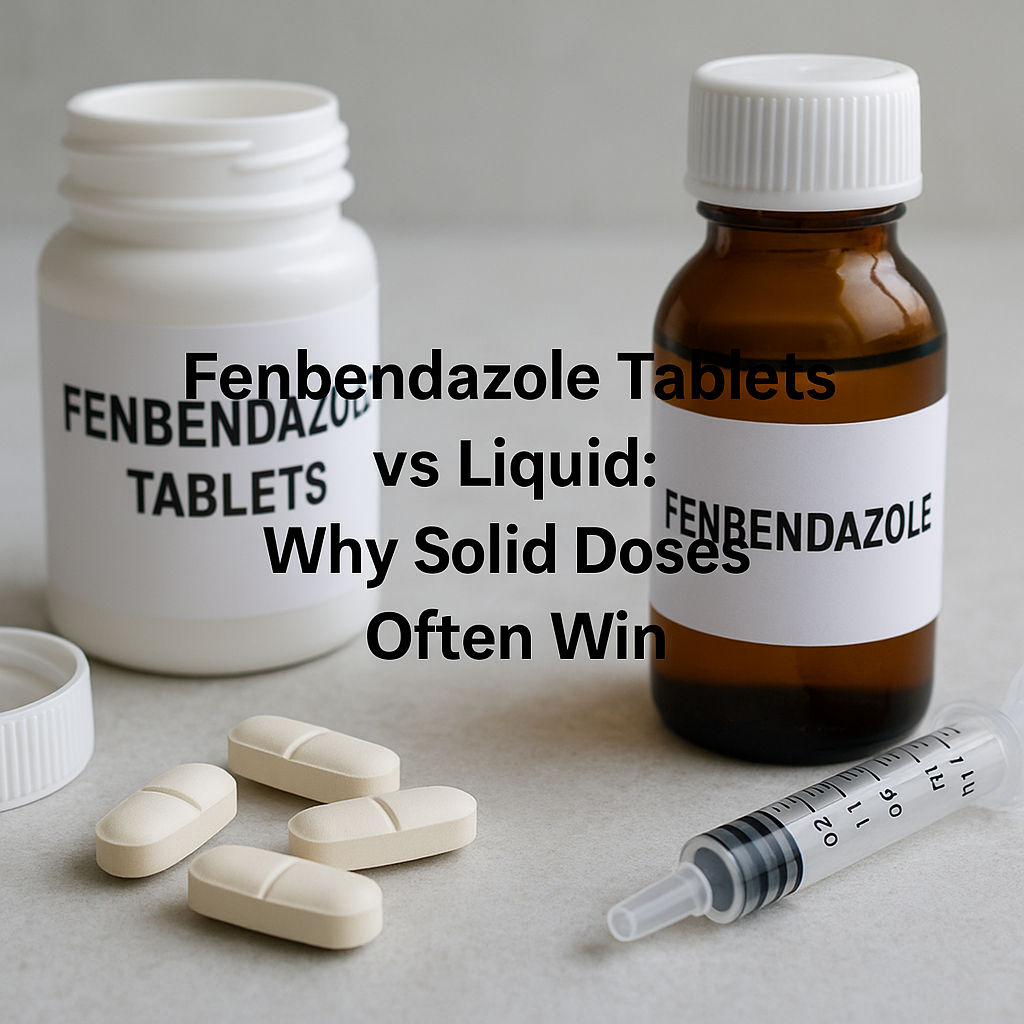
If you’ve decided to use fenbendazole, the next question is simple but important: tablets, capsules, or liquid? Many pet owners and caregivers hear that “fenbendazole capsules are better than liquid” but don’t always know why. The right form can affect dosing accuracy, ease of use, and even how reliably you stick to the treatment plan.
Fenbendazole Basics: Same Active Ingredient, Different Form
Fenbendazole is an anthelmintic (dewormer) used primarily in veterinary medicine to treat intestinal parasites in dogs, cats, horses, and other animals. It’s available in several forms:
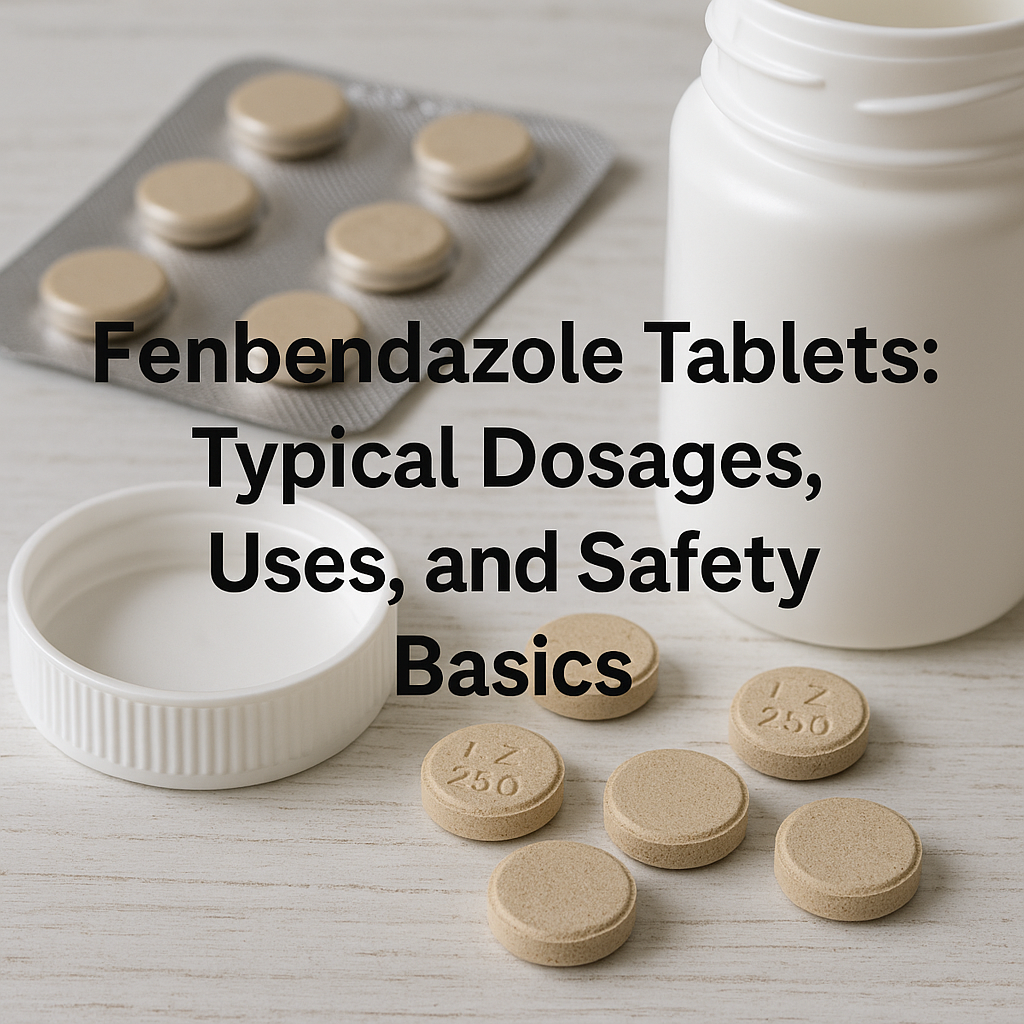
- Tablets or capsules – solid dose, pre-measured
- Liquid suspension – measured with a syringe or dropper
- Granules or paste – less common for small pets, more typical for large animals
The active ingredient is the same, but the formulation changes how easy it is to give, how precisely you can dose, and how stable the product remains over time.
Why Fenbendazole Capsules Often Beat Liquid
When people say fenbendazole capsules are better than liquid, they’re usually talking about real-world use, not a change in the drug’s fundamental effectiveness. Here are the main advantages tablets and capsules tend to have over liquid forms.
1. More Consistent, Pre-Measured Dosing
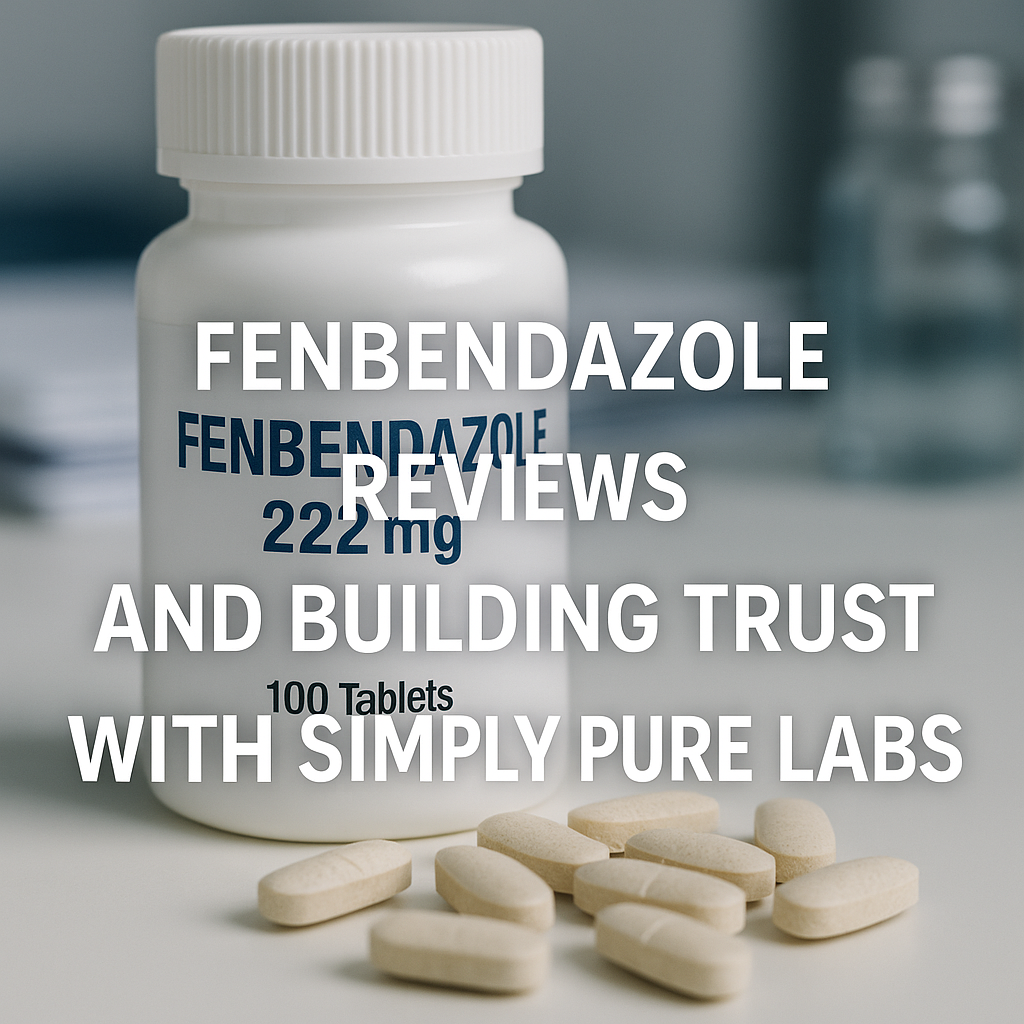
With capsules or tablets, the dose is fixed and clearly labeled (for example, 222 mg or 500 mg per unit). Once you and your veterinarian calculate the correct milligrams per kilogram of body weight, you simply match that to a combination of tablets or capsules.
By contrast, liquid fenbendazole requires you to measure out milliliters based on a concentration (for example, 100 mg/mL). This adds several potential error points:
- Misreading the syringe or dropper
- Forgetting to shake the suspension, leading to uneven drug distribution
- Confusing milligrams and milliliters when following instructions
For multi-day or repeated courses, those small errors can add up. Solid forms dramatically reduce this risk because every capsule is identical.
2. Better Stability and Shelf-Life
Solid oral dosage forms like tablets and capsules are generally more chemically and physically stable than aqueous liquids. In practice, that can mean:
- Less risk of potency loss if stored correctly
- No need to worry about the suspension separating or thickening
- Lower chance of contamination once opened, compared to a repeatedly opened and handled bottle of liquid
For people who use fenbendazole intermittently or keep it on hand, capsules are often a more dependable long-term option than an open bottle of liquid.
3. Easier to Transport and Store
Fenbendazole capsules and tablets are compact, don’t leak, and are easier to toss into a travel kit or emergency bag. Liquids are bulkier and more fragile. If you’re dosing animals in multiple locations (for example, at home and at a boarding facility, or on a farm), solid forms are much more practical.
4. Less Mess, Less Taste and Smell
Many animals dislike the taste or smell of liquid dewormers. Spitting out a portion of the dose or drooling it back out can make it difficult to be sure how much was actually swallowed.
Capsules, especially if given in a treat or a small amount of food, often cause less resistance. Some owners also prefer to open capsules and mix the powder into a food portion; while taste can still be an issue, the quantity is easier to hide than a noticeable flavored liquid.
5. Better for Consistent Human Dosing Protocols
Although fenbendazole is not an approved human medication in many countries and any off-label use should only occur under medical supervision, one practical reason some people prefer capsules is the ability to follow a set milligram amount without daily measuring. A fixed capsule strength simplifies adherence to a structured protocol compared with drawing up a new liquid volume each time.
Where Liquid Fenbendazole Still Has an Edge
Despite the many advantages of capsules and tablets, liquid fenbendazole isn’t obsolete. In some situations, it may be the better choice.
1. Very Small or Very Precise Doses
For tiny animals (such as small-breed puppies, kittens, or exotic pets), even the lowest-strength capsule or tablet may deliver too much drug. A liquid suspension can be fine-tuned to very small volumes for accurate dosing based on weight.
In these cases, a veterinarian may deliberately choose liquid fenbendazole because it allows precise titration that solid doses simply can’t match without complex splitting or compounding.
2. Patients That Can’t Swallow Pills
Some animals (and some people) struggle with swallowing anything solid. If you can’t reliably hide a capsule in food or use a pill gun, a liquid may be the only realistic way to ensure the full dose is taken.
Even so, many caregivers still prefer to open a capsule and mix the powder with food over using a flavored liquid. The best choice depends on the individual’s preferences and tolerances.
3. Veterinary Clinic Use and Short Courses
Veterinary clinics often stock liquid fenbendazole because it’s easy to adjust for any animal that walks in the door, especially when you only need a short course. For a one-time or brief treatment, the convenience of an in-clinic liquid dose can outweigh the long-term benefits of capsules.
Tablets vs Capsules: Any Real-World Difference?
In everyday use, “fenbendazole tablets” and “fenbendazole capsules” often function similarly. Both are solid, pre-measured forms. The differences are practical rather than pharmacological.
- Tablets can often be split or crushed, which helps when you need half or quarter doses, or when mixing with food.
- Capsules are easier to swallow whole for some animals and people. You can also open them and sprinkle the contents into food, though taste may be an issue.
When people say “fenbendazole capsules are better than liquid,” they’re usually comparing any solid form (capsule or tablet) to a liquid suspension. Between tablets and capsules themselves, the “better” choice usually comes down to how you plan to administer the dose and what strengths are available.
Choosing the Best Form for Your Situation
Rather than assuming one form is universally superior, it helps to match the formulation to your specific needs. Consider the following questions:
1. How Critical Is Dosing Precision?
- If you’re dosing very small animals or need micro-adjustments, a properly prepared liquid may be best.
- If you’re treating typical-size dogs, cats, or larger animals, capsules and tablets usually provide all the precision you need with much less hassle.
2. How Long Will You Be Using Fenbendazole?
- Short course (a few days, under veterinary supervision): liquid or solid can work equally well.
- Longer-term or repeated courses: capsules or tablets are often more stable, easier to store, and simpler to keep consistent over time.
3. How Easy Is Administration for This Particular Patient?
- Animals that readily take treats or pills: capsules and tablets are usually simpler and cleaner.
- Animals that spit out solids or refuse treats: liquid may be the fallback, or you may experiment with opening capsules and mixing with a highly palatable food.
4. Who Is Measuring the Dose?
- If multiple caregivers (family members, farm staff, or shelter volunteers) are involved, solid forms reduce the risk of measurement errors and confusion.
- If a trained professional is measuring each dose, a liquid is less likely to be misused and may be just as reliable.
Cost, Availability, and Practical Tradeoffs
Beyond pharmacology, cost and access matter. In some markets, fenbendazole tablets or capsules are more common and competitively priced. In others, liquid suspensions dominate retail shelves, especially in general pet stores.
There are also practical sourcing questions:
- Do you have access to the exact strength of capsule or tablet you need?
- Is a reputable veterinary or pharmacy source available, rather than improvised products?
- Is there clear, written dosing guidance from a veterinarian for the form you’re using?
When comparing options, it’s worth checking trusted veterinary references or speaking with your vet about which fenbendazole form best fits your animal, your budget, and your comfort with dosing.
Safety and Professional Guidance Come First
Regardless of form, fenbendazole should be used thoughtfully:
- Get a proper diagnosis when using it for animals—different parasites may require different drugs or durations.
- Avoid guesswork dosing. Use weight-based calculations and professional guidance instead of copying protocols from informal sources.
- Monitor for side effects such as gastrointestinal upset, and report anything concerning to a veterinarian or healthcare professional.
If you’re exploring broader information about this drug, including other formulations and use-cases, you may find it helpful to review additional resources in the fenbendazole category, such as our fenbendazole overview content.
Bottom Line: Why Capsules and Tablets Are Often Preferred Over Liquid
When you weigh the pros and cons, fenbendazole capsules and tablets are often preferred over liquid because they offer:
- More reliable, pre-measured dosing
- Better stability and shelf-life
- Easier storage and transport
- Less mess and often better acceptance
- Simpler routines for multi-day or repeated courses
Liquid fenbendazole still has a clear role for very small doses, patients unable to swallow solids, and flexible in-clinic use. But for most routine situations, especially when consistency and practicality matter, solid forms—whether tablets or capsules—tend to be the better everyday choice.
Thanks for reading our blog.