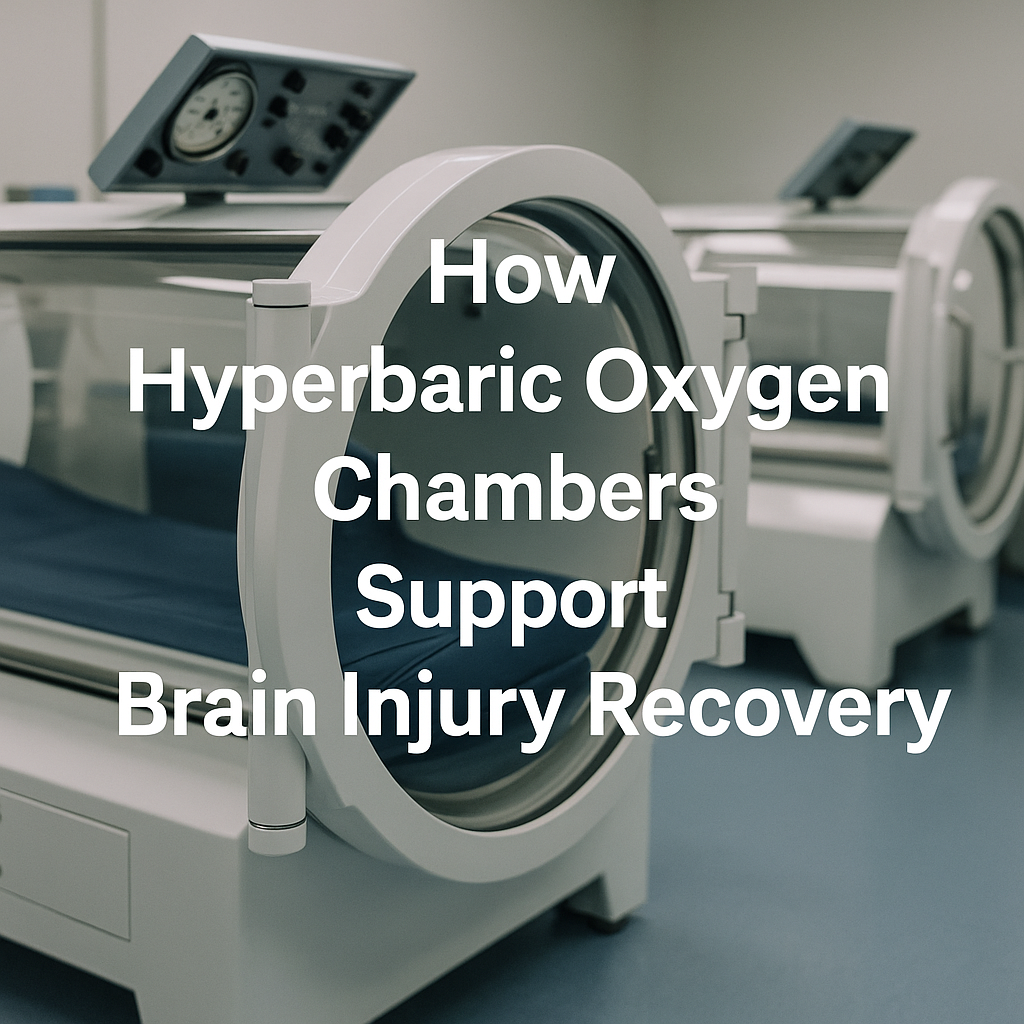

If you’re considering hyperbaric oxygen therapy (HBOT), one of the first real-world questions is simple: how often should you actually use a hyperbaric oxygen chamber? The right frequency can mean the difference between modest results and meaningful progress.
This guide walks you through how HBOT frequency is typically planned, what factors influence your schedule, and how to talk with your clinician about a plan that fits your goals and health status.
Understanding Hyperbaric Oxygen Chambers and Treatment “Courses”
Hyperbaric oxygen chambers deliver 100% oxygen (or higher-than-normal oxygen levels) at increased pressure. This allows more oxygen to dissolve into your blood plasma and reach tissues that may be inflamed, injured, or poorly supplied with blood.
Instead of a single treatment, HBOT is usually prescribed as a course of multiple sessions. When people ask, “How often should I do hyperbaric oxygen therapy?” they’re really asking two things:
- How many sessions in total? (e.g., 10, 20, 40, or more)
- How often those sessions happen? (e.g., daily, several times per week, or less often)
Both pieces matter. Frequency affects how quickly benefits build and how long they last.
Key Factors That Influence How Often You Should Do HBOT
There is no one-size-fits-all schedule. Clinicians typically adjust HBOT frequency based on several practical and medical factors:
1. Your Primary Condition or Goal
The reason you’re using a hyperbaric oxygen chamber is the biggest driver of frequency. In broad terms:
- Acute, serious conditions (e.g., carbon monoxide poisoning, gas embolism, crush injury) are often treated once or even multiple times per day initially, then tapered as the urgent issue stabilizes.
- Chronic wound care (e.g., diabetic foot ulcers, radiation tissue damage) is commonly scheduled as daily weekday sessions for several weeks.
- Neurological / recovery goals (e.g., stroke recovery, post-concussion symptoms, some off-label brain injury protocols) may range from 3–5 sessions per week in blocks.
- Wellness, performance, or anti-aging uses (off-label, non-emergency) are often done 1–3 times per week, in defined series, then reduced to maintenance.
Always remember: for medical conditions, your schedule should be set by a clinician familiar with HBOT and your specific diagnosis.
2. Acute vs. Chronic Problems
Think about whether your issue is more acute (sudden, short-term) or chronic (long-standing, slow to change):
- Acute: Higher frequency at the beginning (sometimes daily or more) to quickly stabilize tissue and reverse damage.
- Chronic: Consistent, repeated exposure over weeks to gradually improve oxygenation, reduce inflammation, and support healing.
Chronic conditions usually benefit more from steady, repeated sessions rather than occasional one-offs.
3. Your Overall Health and Tolerance
Even when HBOT is appropriate, your general health affects how often you can safely and comfortably go:
- Cardiovascular and lung health: Heart or lung disease doesn’t automatically rule out HBOT, but it may change your schedule or pressure settings.
- Ear and sinus health: Difficulty equalizing pressure, chronic sinus issues, or frequent ear infections can limit how often you comfortably dive.
- Fatigue and recovery: Some people feel energized after HBOT; others feel tired. Your response during the first week often guides whether to maintain or reduce frequency.
4. Practical Realities: Time, Cost, and Access
In the real world, your HBOT schedule also depends on logistics:
- Clinic-based chambers: Daily weekday sessions for several weeks can be time-intensive but are common for medically supervised treatment plans.
- Home hyperbaric oxygen chambers: Offer more flexibility (e.g., shorter, more frequent sessions), but you still need a clear protocol from a knowledgeable provider.
- Cost and insurance: If you’re paying out of pocket, you and your clinician may prioritize the frequency and total number of sessions most likely to give benefit for your budget.
Typical HBOT Frequency Patterns by Use Case
The following are generalized patterns sometimes used in practice. These are not personal medical advice, but they can help you understand what’s commonly discussed when planning HBOT.
1. Medically Approved, Serious Conditions
For conditions that are commonly recognized indications for HBOT (like certain non-healing wounds or radiation tissue damage), a typical plan might look like:
- Frequency: 5 sessions per week (Monday–Friday).
- Duration: Often 4–8 weeks, sometimes more, depending on response.
- Session length: Commonly 60–120 minutes in the chamber per session.
Follow-up or additional blocks of sessions may be considered if there’s clear improvement but incomplete healing.
2. Neurological Recovery and Brain Health (Off-Label)
For brain-related goals such as post-concussion symptoms, stroke recovery, or other neurological conditions, protocols vary widely, but you might see:
- Frequency: 3–5 sessions per week.
- Course length: Often described in blocks of 20–40 sessions, with reassessment between blocks.
- Adjustments: If fatigue, headaches, or sleep changes occur, your provider may adjust how often you dive each week.
Because evidence and practices are still evolving in this area, working with a clinician experienced in neurological HBOT protocols is crucial.
3. Wellness, Longevity, and Athletic Recovery
Some people without a specific medical diagnosis use hyperbaric oxygen chambers for general wellness, performance, or recovery. In these off-label settings, providers may suggest:
- Initial phase: 2–5 sessions per week for a few weeks (e.g., 10–20 total sessions).
- Maintenance: 1–2 sessions per week or periodic “blocks” (e.g., 10–15 sessions a couple of times per year).
Here, the aim is usually not to treat a specific disease but to support recovery, sleep, or perceived cognitive performance. It’s especially important to have realistic expectations and to monitor how you actually feel over time.
How to Decide Your Personal HBOT Frequency: A Step-by-Step Framework
Use this framework as a conversation guide with your provider when planning how often you’ll use a hyperbaric oxygen chamber.
Step 1: Clarify Your Primary Goal
Be as specific as possible. Instead of “I want to feel better,” try:
- “I want my diabetic foot ulcer to close.”
- “I’m trying to reduce post-concussion headaches and brain fog.”
- “I want faster recovery between intense training sessions.”
Your goal will largely determine whether you’re looking at a daily medical protocol, a time-limited block of sessions, or a lower-frequency wellness plan.
Step 2: Review Medical History and Contraindications
Discuss with your clinician:
- Any lung, heart, or ear conditions.
- Medications you’re taking (especially those affecting the lungs, central nervous system, or blood pressure).
- History of seizures, claustrophobia, or ear-barotrauma.
This helps determine whether HBOT is appropriate at all and, if so, how aggressive your schedule can safely be.
Step 3: Choose an Initial Treatment Block
Instead of thinking “forever,” decide on a defined initial block. For example:
- 20 sessions, 5 times per week, then re-evaluate.
- 10 sessions, 3 times per week, then adjust based on how you feel.
A clearly defined block makes it easier to measure whether HBOT is helping and whether the frequency is sustainable.
Step 4: Monitor Response Week by Week
Track changes in:
- Symptoms: Pain, swelling, wound size, headaches, cognitive symptoms.
- Function: Walking distance, sleep quality, exercise tolerance, daily energy.
- Side effects: Ear discomfort, sinus pressure, fatigue, anxiety in the chamber.
Keep a simple log or journal. This record will help you and your provider fine-tune how often you should continue treatments.
Step 5: Adjust Frequency (or Pause) Based on Results
After your initial block, discuss:
- If you’re improving: Continue at the same frequency, taper to fewer sessions per week, or schedule another block later.
- If there’s little change: Consider whether HBOT is the right modality for your goal, or whether other therapies should be prioritized.
- If side effects appear: Reduce frequency, change pressure settings, or pause entirely under medical guidance.
How Often Is “Too Often” for Hyperbaric Oxygen Therapy?
When supervised by trained professionals using appropriate pressures and session lengths, HBOT is generally considered safe. Still, there are limits:
- Very high frequency (e.g., multiple long sessions per day) is usually reserved for specific, serious medical emergencies.
- More isn’t always better; there is a point where additional daily sessions may not add benefit and could increase risk of side effects such as oxygen toxicity or ear injury.
This is why it’s essential to follow a protocol designed by someone experienced with hyperbaric oxygen chambers rather than self-experimenting with very frequent dives, especially at higher pressures.
Special Considerations for Home Hyperbaric Oxygen Chambers
Home or “mild” hyperbaric oxygen chambers typically operate at lower pressures than hospital-grade systems. That doesn’t mean you can use them without limits.
If you have or are considering a home chamber:
- Get a medical evaluation first. Even if the unit is marketed for wellness, you still need screening for contraindications.
- Ask for a written protocol. This should include frequency, maximum number of sessions per week, and when to stop or seek re-evaluation.
- Resist the urge to “stack” sessions. Doubling or tripling your daily dives without guidance can increase risk without guaranteed added benefit.
For many home users, a common pattern is shorter, more frequent sessions (e.g., 4–6 days per week) over a defined period, then tapering. But the exact plan should be individualized.
Questions to Ask Your Provider About HBOT Frequency
To make sure you leave your consultation with a clear plan, consider asking:
- “Based on my condition, what’s the typical number of HBOT sessions people need to see benefit?”
- “How often per week do you recommend I come in, and for how many weeks?”
- “What signs should I watch for that mean we should adjust the frequency?”
- “If I respond well, will I need maintenance sessions later? How often?”
- “How will we measure whether this frequency is working for me?”
When to Reconsider or Stop HBOT
Regardless of how often your initial plan suggests using a hyperbaric oxygen chamber, there are times to slow down or stop:
- New or worsening symptoms such as chest pain, severe shortness of breath, visual changes, or severe ear pain.
- No meaningful improvement after a reasonable course for your condition, as judged with your clinician.
- Major life or health changes (new diagnosis, surgery, pregnancy, medication changes) that warrant re-evaluating your HBOT plan.
HBOT is a tool, not a lifelong obligation. Your schedule should change as your health changes.
Bringing It All Together
There is no universal answer to how often you should use hyperbaric oxygen chambers. Instead, frequency depends on:
- What you are treating or trying to improve.
- Whether the issue is acute or chronic.
- Your overall health and tolerance.
- Practical factors like time, access, and cost.
The most effective approach is to commit to a thoughtfully designed plan—usually a defined block of consistent sessions—then adjust based on real-world results and side effects. Work closely with an experienced HBOT provider, ask specific questions about frequency and duration, and track your response. That’s how you turn a hyperbaric oxygen chamber from an intriguing technology into a targeted part of your healing or performance strategy.
If you’re exploring different types of systems, treatment settings, or equipment, you may also find it helpful to review broader resources on hyperbaric oxygen chambers to understand your options before committing to a long treatment schedule.
Thanks for reading our blog.