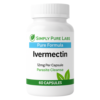
Interest in ivermectin tablets has surged in recent years, not only for their long-standing role in treating certain parasitic infections, but also because of widespread online discussion about off-label uses. That makes it especially important to understand how ivermectin dosage is normally approached, what it is (and is not) used for, and the key safety considerations to keep in mind.
What Are Ivermectin Tablets Typically Used For?
Ivermectin is a medication that belongs to a class of drugs called antiparasitics. In tablet form, it has long been used in many countries for conditions such as:
- Certain intestinal worm infections (for example, strongyloidiasis)
- Onchocerciasis (river blindness), often in public health campaigns
- Sometimes scabies or other parasitic skin infestations, depending on local guidelines and availability of topical products
In many regions, ivermectin is also available as topical creams or lotions for some skin conditions. The tablets are designed for systemic treatment of specific parasitic infections, not as a general “immune booster” or broad-spectrum antiviral.
How Ivermectin Dosage Is Generally Determined
There is no single “one size fits all” ivermectin dosage. Instead, dosing is usually based on:
- Body weight: Many regimens use a certain number of micrograms of ivermectin per kilogram of body weight.
- The specific condition being treated: Different parasites and disease patterns call for different total amounts and schedules.
- Local treatment guidelines: Public health programs and national formularies may recommend different dosing schedules for the same condition.
- Patient factors: Age, pregnancy status, other medications, and underlying medical issues can all affect whether and how ivermectin is used.
Because of these variables, safe ivermectin tablet dosing should be individualized by a qualified health professional who is familiar with current guidelines in your region.
Typical Features of Ivermectin Tablet Regimens
While exact numbers vary by indication and jurisdiction, many ivermectin tablet regimens share some common characteristics:
- Weight-based dosing: A total dose is calculated from body weight rather than using a single standard tablet count for everyone.
- Single or short-course therapy: For some parasitic infections, a single dose or a small number of doses separated by days or weeks may be used.
- Periodic repeat dosing in public health programs: In areas where certain parasites are common, community-wide campaigns may give ivermectin at set intervals under medical and public health supervision.
These patterns are provided as general context only. They are not a substitute for specific dosing instructions from your prescriber or local treatment guidelines.
Important Safety Considerations for Ivermectin Tablets
Like any medication, ivermectin tablets can cause side effects and may not be appropriate for everyone. Safety considerations include:
- Allergies or prior reactions: Anyone with a history of allergy to ivermectin or similar drugs should avoid it unless specifically cleared by a specialist.
- Underlying health conditions: Liver disease, certain neurological conditions, or significant immune compromise may affect whether ivermectin is advisable.
- Other medications: Some drugs can interact with ivermectin or with the way the body processes it. Your clinician and pharmacist should review your full medication list.
- Pregnancy and breastfeeding: Use in pregnancy or while breastfeeding should be guided by a clinician who can weigh potential benefits and risks based on current evidence and local recommendations.
In addition, people with very heavy parasite burdens may sometimes experience more noticeable symptoms when parasites die off. This is one reason supervised treatment and appropriate follow-up are important.
Why Self-Dosing Ivermectin Can Be Risky
Online discussions sometimes encourage self-treatment with ivermectin tablets, including veterinary formulations or unregulated sources. This carries several risks:
- Incorrect strength: Animal products can have very different concentrations and inactive ingredients compared with human tablets.
- Misjudged dosage: Estimating a dose without training can lead to underdosing (ineffective treatment) or overdosing (increased risk of side effects).
- Wrong indication: Using ivermectin for conditions where it has not been shown to be helpful exposes you to risk without clear benefit.
- Delayed proper care: Self-medicating may delay diagnosis and treatment of the actual underlying problem.
For these reasons, ivermectin should be used only under medical supervision and with a product formulated for human use.
Recognizing Possible Side Effects
Side effects with ivermectin tablets vary from person to person and can depend on the condition being treated. Some people experience only mild, short-lived symptoms. Others may have more significant reactions. Possible side effects can include:
- Gastrointestinal discomfort (such as nausea or abdominal pain)
- Dizziness or lightheadedness
- Fatigue or weakness
- Headache
- Skin reactions, including itching or rash
More serious reactions are less common but can occur. Any new or worrying symptoms after taking ivermectin, especially severe dizziness, confusion, breathing difficulty, chest pain, or signs of an allergic reaction (such as swelling of the face or throat), warrant urgent medical attention.
Special Populations and Extra Caution
Some groups require particularly careful consideration before using ivermectin tablets:
- Young children: In many places, use in very young children is restricted or requires specialist input.
- Older adults: Age-related changes in liver or kidney function and multiple medications can increase the need for individualized assessment.
- People with significant liver or kidney disease: Drug processing and elimination may be altered, which can affect safety.
- People with certain parasitic infections in specific geographic areas: In some regions, co-existing infections may change how ivermectin is used, and expert guidance is essential.
In all of these situations, professional evaluation is key to deciding whether ivermectin is appropriate and, if so, how to dose it safely.
Talking With a Clinician About Ivermectin Dosage
If you have been prescribed ivermectin tablets or are wondering whether they might be relevant for a diagnosed parasitic infection, consider discussing the following with your clinician:
- What condition is being treated and how ivermectin works in that context
- How your specific ivermectin dosage was chosen (for example, based on your weight or on public health protocols)
- Exactly how and when to take the tablets, including whether to take them with food
- How long treatment will last and whether any follow-up testing is needed
- What side effects to watch for and when to seek medical help
Bringing a list of all your current medications and supplements, along with your medical history, will help your clinician tailor advice to your situation.
Key Takeaways on Ivermectin Tablet Dosage and Safety
Ivermectin tablets are an important tool for treating specific parasitic infections, but they are not a general-purpose remedy. Dosage is normally individualized based on body weight, the condition being treated, and local guidelines, and should be determined by a qualified health professional. Using veterinary products, guessing at doses, or taking ivermectin for unproven uses can be unsafe.
This article provides general information only and is not a substitute for personalized medical advice, diagnosis, or treatment. For questions about ivermectin dosage or whether ivermectin is appropriate for you, consult a licensed healthcare professional who can review your individual circumstances.
Thanks for reading our blog.