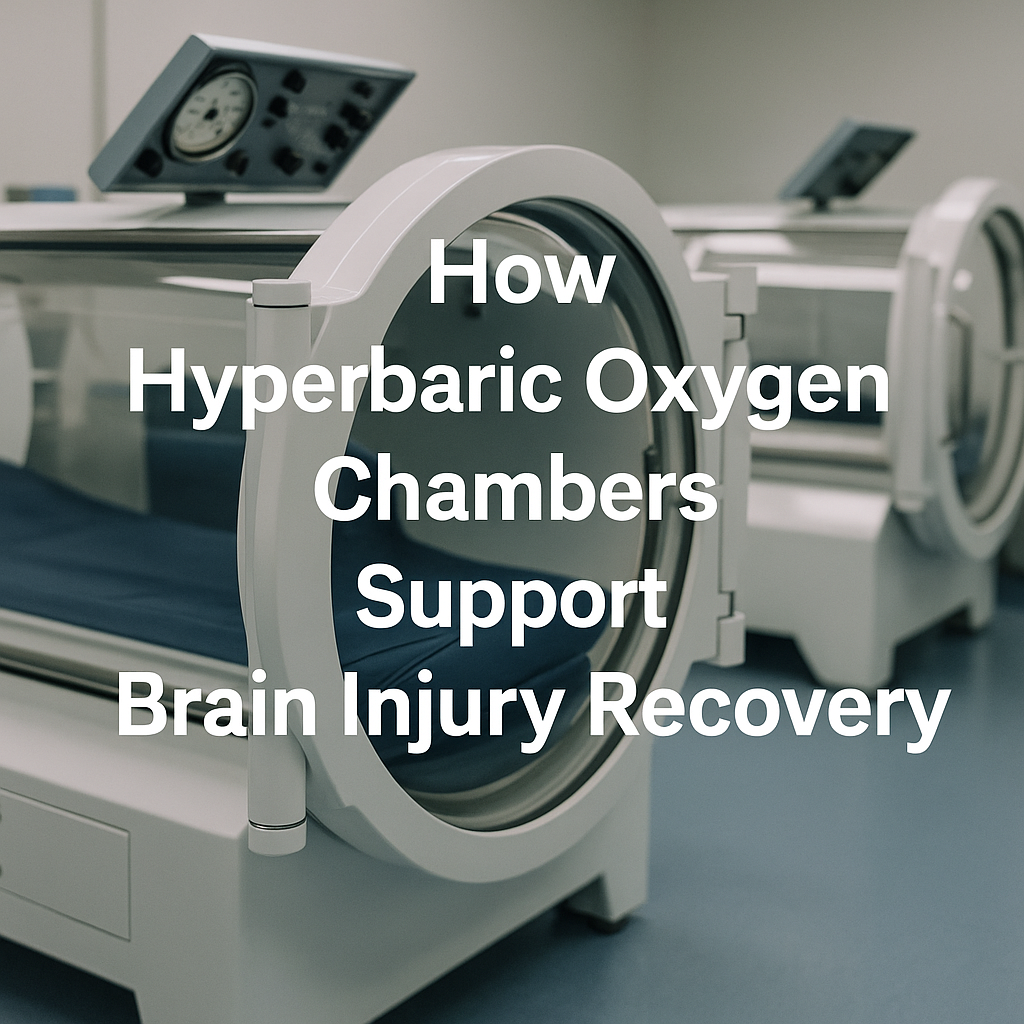
Once you’ve decided to try hyperbaric oxygen therapy (HBOT), the next question comes fast: how often should you use a hyperbaric oxygen chamber to see real benefits without overdoing it? The honest answer is: it depends on your condition, your goals, and the type of chamber and protocol you’re using—but there are clear patterns and best practices you can use as a starting point.
Key Principles for HBOT Frequency
Before getting into specific schedules, it helps to understand how hyperbaric oxygen chambers work over time.
- HBOT is cumulative: Most benefits come from a series of sessions, not just one or two. Protocols are usually measured in weeks, not days.
- Consistency matters more than intensity: Regular, moderate sessions (for example, 5 times per week) are usually more effective than rare, very long sessions.
- Higher pressure often means fewer total sessions: Medical-grade chambers at higher pressures (e.g., 2.0–2.4 ATA) are typically used in shorter, more intensive blocks than mild or soft chambers.
- Condition-specific protocols exist: Certain conditions (like decompression sickness, radiation injury, or diabetic wounds) have fairly standardized protocols. Off-label or wellness uses are more individualized.
- Response varies: Age, overall health, circulation, and other treatments you’re using all influence how quickly you notice changes.
Step 1: Clarify Your Goal for Hyperbaric Oxygen Therapy
Your reason for using a hyperbaric oxygen chamber is the biggest driver of how often you should go. Think in terms of three broad categories:
1. Medically Indicated, Acute or Serious Conditions
Examples include:
- Decompression sickness or air embolism
- Carbon monoxide poisoning
- Radiation tissue damage
- Chronic, non-healing diabetic or ischemic wounds
- Crush injuries and certain infections
For these, you must follow a physician-prescribed protocol. Frequency is usually high at first—often daily—and then tapers based on your response and healing.
2. Chronic Conditions & Recovery Support
Examples include:
- Post-concussion or traumatic brain injury support
- Chronic pain, fibromyalgia
- Lyme disease and other chronic infections (as part of a broader plan)
- Post-surgical recovery, sports injuries
Here, protocols are usually multi-week programs. Frequency often starts at several sessions per week and then steps down as symptoms improve.
3. Wellness, Performance & Longevity
Examples include:
- General recovery and energy
- Sports performance and faster training recovery
- Cognitive support, focus, or sleep quality
For wellness, there’s more flexibility. Sessions can be clustered (e.g., intensive blocks a few times a year) or used as ongoing maintenance (e.g., weekly or biweekly).
Common HBOT Frequency Patterns by Goal
Use the following as a general guide, then adjust with your provider based on how you respond.
Medically Supervised, High-Pressure HBOT (Hard Chambers)
- Typical pressures: ~2.0–2.4 ATA in medical-grade hyperbaric oxygen chambers
- Session length: Usually 60–120 minutes including compression and decompression
1. Acute, Serious Conditions
- Frequency: Often 1–2 sessions per day initially, then daily until stable
- Duration: A short, intensive course (for example, several days to a few weeks), then reassessment
- Who decides?: A hyperbaric physician or hospital-based team, not the patient
What this means for you: If you’re in this category, you won’t be choosing your own frequency—your medical team will. Your focus is on safety, adherence, and follow-up.
2. Chronic Wounds & Radiation Injury
- Frequency: Commonly 5 sessions per week (Monday–Friday)
- Total sessions: Often 20–40+ sessions, depending on healing progress
- Timeframe: 4–8 weeks or more of consistent treatment
How to think about it: This is closer to a “course” of treatment, like a structured rehab program. Missing sessions frequently can reduce effectiveness.
3. Neurological & Chronic Conditions (Clinic-Based HBOT)
- Frequency: Often 3–6 sessions per week at the start
- Total sessions: Commonly 20–60 sessions, sometimes in multiple blocks with breaks
- Adjustments: Frequency may taper (e.g., from 5x/week to 2–3x/week) as symptoms improve
Because responses vary, many clinics reassess every 10–20 sessions and adjust the plan.
Mild and Home Hyperbaric Oxygen Chambers: How Often to Use Them
Mild or soft hyperbaric oxygen chambers (often in the 1.3–1.5 ATA range) are increasingly used in wellness centers and at home. They deliver lower pressure and sometimes lower oxygen concentration, so they typically require more sessions to achieve similar cumulative exposure.
Typical Frequency Ranges for Mild/Home HBOT
- Initial loading phase: 4–7 sessions per week for 2–6 weeks (depending on goals and tolerance)
- Maintenance phase: 1–3 sessions per week, or short intensive blocks (e.g., 10–20 sessions) a few times per year
- Session length: Commonly 60–90 minutes per session
Example schedule for home use (wellness or recovery):
- Weeks 1–3: 5 sessions per week, 60 minutes each
- Weeks 4–6: 3 sessions per week, 60–90 minutes each
- After 6 weeks: 1–2 sessions per week as maintenance, or take a 2–4 week break and then repeat a shorter block
This is only an example—your health status, other therapies, and how you feel during and after sessions should all inform your actual plan.
How to Decide Your Ideal HBOT Frequency: A Step-by-Step Framework
Step 1: Confirm Safety and Medical Oversight
- Discuss HBOT with a clinician familiar with your medical history.
- Screen for contraindications (certain lung diseases, untreated pneumothorax, some ear/sinus issues, certain chemotherapy drugs, etc.).
- Clarify whether you should be using a clinical hard chamber, a mild chamber, or avoiding HBOT altogether.
Step 2: Define Your Time-Limited Goal
Instead of thinking “I’ll just do HBOT indefinitely,” define a clear goal and time window:
- Acute recovery goal: e.g., “Support post-surgical healing over the next 4 weeks.”
- Chronic symptom goal: e.g., “Reduce headache frequency over 8 weeks.”
- Wellness goal: e.g., “Improve training recovery for a 12-week training block.”
This makes it easier to design a schedule and later decide whether to continue, taper, or stop.
Step 3: Choose an Initial Frequency Based on Your Category
- Serious medical condition: Follow your hyperbaric physician’s protocol exactly.
- Chronic condition (clinic-based): Expect something like 3–5 sessions per week for 4–8 weeks as an initial block.
- Mild/home chamber for wellness: Start with 3–5 sessions per week for 2–4 weeks, then reassess.
When in doubt, it’s usually better to start at the lower end of session length and pressure and build up gradually.
Step 4: Track Response and Adjust
HBOT changes often show up gradually. To avoid guessing, track:
- Energy levels (morning and evening)
- Sleep quality
- Pain levels or specific symptoms (headaches, brain fog, joint pain, etc.)
- Exercise tolerance and recovery
Use a simple 0–10 scale and jot notes 2–3 times per week. If you see steady improvement, you may maintain or gradually taper frequency. If you feel worse or notice new symptoms, pause and talk to your provider.
Step 5: Build a Maintenance or “Block” Strategy
After your initial HBOT series, you have three main options:
- Stop and observe: Take 4–8 weeks off and see what benefits remain.
- Maintenance sessions: Continue 1–2 sessions per week if you notice clear, ongoing benefit and tolerate it well.
- Periodic intensive blocks: For example, 10–20 sessions over 3–4 weeks, two or three times per year.
This approach is common among people using home hyperbaric oxygen chambers for long-term wellness or performance support.
Signs You May Be Doing HBOT Too Often
More is not always better. Watch for these signs that you might need to reduce frequency or adjust your protocol:
- Persistent fatigue that worsens over several sessions instead of improving
- Headaches, dizziness, or nausea during or after sessions
- Ear pain, sinus pressure, or difficulty equalizing that doesn’t resolve with technique changes
- Worsening sleep (difficulty falling asleep, restless nights) that starts after increasing HBOT dose
- Feeling “wired but tired” after sessions
If any of these appear and persist, reduce frequency (for example, from 5 sessions per week to 2–3), shorten sessions, or take a brief break and consult your provider.
Practical Scheduling Tips for Real Life
Knowing how often to use hyperbaric oxygen chambers is one thing; making it fit your life is another. A few practical tips:
- Anchor sessions to a routine: For example, always after work or at the same time each morning.
- Avoid rushing: Build in time for compression, decompression, and a few minutes of rest afterward.
- Pair with other therapies thoughtfully: If you’re also doing physical therapy, red light therapy, or training, consider HBOT after those activities to support recovery.
- Plan for “off” days: Schedule at least one rest day per week, especially during intensive blocks, unless your medical team advises otherwise.
- Reassess every 10–20 sessions: Don’t just autopilot—periodically ask, “Is this still helping? Do I need this frequency?”
If you’re comparing options or considering a home unit, you may also find it helpful to explore broader information on hyperbaric oxygen chambers, including types of systems, safety considerations, and how they’re used in different settings.
Putting It All Together
There is no one-size-fits-all answer to how often you should use hyperbaric oxygen therapy, but you can design a smart plan by:
- Matching frequency to your specific condition and goals
- Starting with a time-limited, consistent series of sessions rather than open-ended use
- Tracking how you feel and adjusting frequency rather than assuming more is always better
- Working with a knowledgeable clinician, especially for higher-pressure or medically indicated protocols
Used thoughtfully, hyperbaric oxygen chambers can be a powerful tool. The right frequency is the one that fits your medical needs, your lifestyle, and your body’s actual response over time.
Thanks for reading our blog.