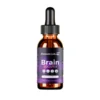
How do you figure out a sensible cordyceps tincture dosage when every bottle seems to say something different? While there’s no single “right” amount for everyone, there are common ranges, safety principles, and label cues that can help you use cordyceps more confidently.
What is cordyceps and why does dosage vary so much?
Cordyceps is a genus of fungi traditionally used in East Asian herbal practice, often discussed for potential support of energy, stamina, and respiratory and immune health. Today it’s sold as powders, capsules, and liquid tinctures made from either the fruiting body, mycelium, or both.
Dosage varies widely because:
- Different species and materials are used (for example, Cordyceps militaris vs. Cordyceps sinensis-derived mycelium).
- Extraction strength differs (1:1, 1:2, 1:4, etc. alcohol or dual extracts).
- Products standardize to different compounds (like cordycepin or polysaccharides), or not at all.
- People use cordyceps for different goals and durations.
Because of this, there is no universal cordyceps dosage that applies to every tincture. Instead, you work within typical ranges and your specific product’s guidance.
Typical cordyceps tincture dosage ranges
The following ranges describe common informational usage patterns for adults, not medical prescriptions. Always compare to your product’s label and speak with a qualified professional if you have a medical condition or take medications.
General daily informational range (adults)
- Low range: ~0.5–1 mL once daily (often around 10–20 drops, depending on dropper size)
- Moderate range: ~1–2 mL per day, often split into 1–2 servings
- Higher end of typical supplement use: ~2–3 mL per day, sometimes divided (for example, morning and early afternoon)
For many people, starting at the low end of these ranges and adjusting slowly while monitoring how they feel is a cautious, information-based approach.
Why the extract ratio matters (1:1, 1:2, etc.)
Tincture labels often show an extract ratio, such as 1:1 or 1:4. This describes how much raw mushroom material was used relative to the final liquid.
- 1:1 extract: 1 part cordyceps by weight to 1 part liquid by volume (more concentrated).
- 1:2, 1:3, 1:4 extracts: Progressively more liquid per amount of mushroom (less concentrated per mL).
In practical terms, a 1:1 cordyceps tincture may call for a lower mL dose than a 1:4 tincture. This is why following the specific label instructions is crucial, even when you’re working within general ranges.
How to read a cordyceps tincture label
Before deciding on dosage, it’s worth carefully examining the bottle. Key items to look for include:
- Species: Commonly Cordyceps militaris or Cordyceps sinensis-derived mycelium. Potency and composition can differ.
- Plant part used: Fruiting body, mycelium, or a combination.
- Extraction method: Alcohol-only, hot water, or dual extract (water + alcohol). This affects which compounds are concentrated.
- Extract ratio: 1:1, 1:2, 1:4, etc., indicating concentration.
- Serving size and frequency: For example, “1 mL (about 30 drops), 1–3 times daily.”
- Standardization, if any: For example, a percentage of beta-glucans or cordycepin.
- Warnings: Pregnancy, breastfeeding, medication interactions, age limits, and other cautions.
Using the label as your starting point, you can decide whether to begin at or below the suggested serving, especially if you’re sensitive to supplements.
Step-by-step: finding your personal cordyceps dosage
Because people differ in body weight, sensitivity, and health status, a cautious, stepwise approach is generally more safety-minded than jumping to a high dose.
1. Confirm that cordyceps is appropriate for you
Before using cordyceps tincture, it’s wise to talk with a healthcare professional, especially if you:
- Have a diagnosed medical condition, particularly involving the immune system, lungs, heart, liver, or kidneys.
- Take prescription medications, including blood thinners, immunosuppressants, or diabetes medications.
- Are pregnant, trying to conceive, or breastfeeding.
- Are under 18 years old.
They can help you understand potential interactions, timing, and whether cordyceps fits your broader care plan.
2. Start low and go slow
If your practitioner agrees that cordyceps is acceptable for you, a common informational strategy is:
- Begin at the low end of your product’s suggested range (or even half of the lowest suggested serving).
- Use that amount consistently for several days to a week, paying attention to how you feel.
- Increase gradually if you feel well and your practitioner is comfortable with an increase.
This approach can help you notice any sensitivity early and avoid overshooting your needs.
3. Pay attention to timing
People often experiment with taking cordyceps at different times of day. Some general patterns:
- Morning or early afternoon: Common for those who feel cordyceps is energizing.
- Avoiding late evening: Some people prefer not to take it too close to bedtime if they notice increased alertness.
- With or without food: Many tinctures can be taken either way, but sensitive stomachs may prefer dosing with a small snack.
Your own response matters more than any rule of thumb; adjust timing if you notice sleep or digestion changes.
Drops, milliliters, and consistency: practical dosing tips
Tincture droppers can be confusing at first. Here are some simple points to keep dosing consistent:
- Check the label for mL per dropper: Many droppers hold ~1 mL when filled to the marked line, but this can vary.
- Typical estimate: Roughly 20–30 drops is often around 1 mL, but your product may specify a different conversion.
- Use the same tool each time: Either the dropper or a small oral syringe, so your measurements are consistent.
- Shake the bottle if the label instructs you to; this helps distribute suspended compounds more evenly.
Consistency in how you measure is more important than chasing a “perfect” number of drops.
How long do people typically take cordyceps tincture?
There is no single agreed-upon duration for cordyceps use. Informationally, people commonly approach duration in a few ways:
- Short-term trial: 2–4 weeks to see how they respond, then reassess with their practitioner.
- Intermittent use: For example, using cordyceps tincture on workdays or during periods of higher demand, with breaks in between.
- Longer-term patterns: Some individuals use cordyceps for several months with periodic check-ins on lab work, symptoms, or overall wellbeing under professional guidance.
Regularly revisiting the question “Is this still helping, and is it still appropriate for me?” is a good safety habit with any supplement.
Safety considerations and possible side effects
Many people tolerate cordyceps well at common supplemental dosages, but side effects and interactions are possible. Because research is still evolving, it’s important to keep expectations modest and to pay attention to your own body.
Potential side effects
Reported side effects with cordyceps supplements (not specific to tinctures) can include:
- Digestive upset (nausea, loose stools, or stomach discomfort)
- Dry mouth or changes in taste
- Headache or feeling overstimulated in some individuals
- Allergic-type reactions in people sensitive to mushrooms or mold (rash, itching, breathing difficulty—this is a medical emergency)
If you notice new or worsening symptoms after starting cordyceps, stop the tincture and contact a healthcare professional. Seek urgent care for any signs of an allergic reaction or breathing difficulty.
Who should be especially cautious?
The following groups should use particular caution and professional guidance:
- People on prescription medications: Cordyceps may theoretically affect blood clotting, blood sugar, or immune activity, which could interact with certain drugs.
- Those with autoimmune or immune-related conditions: Because cordyceps may influence immune function, professional oversight is important.
- Pregnant or breastfeeding individuals: Human safety data is limited; many experts recommend avoiding cordyceps in these periods unless specifically advised by a clinician.
- Children and adolescents: Safety research in younger populations is limited, so professional guidance is essential.
When in doubt, err on the side of not starting or of using very cautious amounts until you have individualized input from a qualified practitioner.
Combining cordyceps with other mushroom tinctures
Many people use cordyceps alongside other functional mushrooms such as reishi, lion’s mane, or chaga. When combining multiple tinctures:
- Consider total extract volume: The more tinctures you stack, the higher your overall alcohol and mushroom extract intake.
- Introduce one at a time: This makes it easier to notice which product is causing any benefit or side effect.
- Adjust dosages downward when stacking: Rather than taking full doses of several tinctures, some people use smaller amounts of each.
If you are looking to explore other cordyceps formats or learn more about this mushroom generally, you can also review broader resources in our cordyceps guide collection.
Frequently asked questions about cordyceps tincture dosage
Can I take cordyceps tincture every day?
Many adults do use cordyceps supplements daily within common dosage ranges. However, daily use may not be appropriate for everyone, especially those with medical conditions or on medications. Discuss daily, long-term use with your healthcare provider and consider periodic breaks or reassessments.
Is more cordyceps better?
Not necessarily. Higher doses do not automatically mean better results and may increase the chance of side effects or interactions. A moderate, well-tolerated dose that fits into your overall health plan is generally more reasonable than simply aiming for the maximum amount.
What if I miss a dose?
In most supplemental contexts, missing a single cordyceps tincture dose is not critical. Many people simply resume their usual schedule at the next planned time rather than doubling up. If your practitioner has given you a specific protocol, follow their instructions.
Can I take cordyceps tincture on an empty stomach?
Some individuals tolerate cordyceps well on an empty stomach, while others prefer to take it with a small amount of food to reduce any digestive discomfort. If you notice nausea or stomach upset, try taking your dose with a snack and see if that helps.
Key takeaways: building a safe cordyceps tincture routine
When it comes to cordyceps dosage in tincture form, the most important points are:
- There is no single universal dose; follow your specific product’s label and your practitioner’s guidance.
- Common informational adult ranges for tinctures are roughly 0.5–3 mL per day, adjusted based on extract strength and individual response.
- Start with a low dose, increase slowly if needed, and pay attention to how you feel.
- Check for potential interactions, especially if you take medications or have immune, blood sugar, or clotting concerns.
- Use regular check-ins with a qualified healthcare professional to decide whether cordyceps remains appropriate over time.
Approached with realistic expectations and a safety-first mindset, cordyceps tincture can be explored in a more informed and measured way.
Thanks for reading our blog.