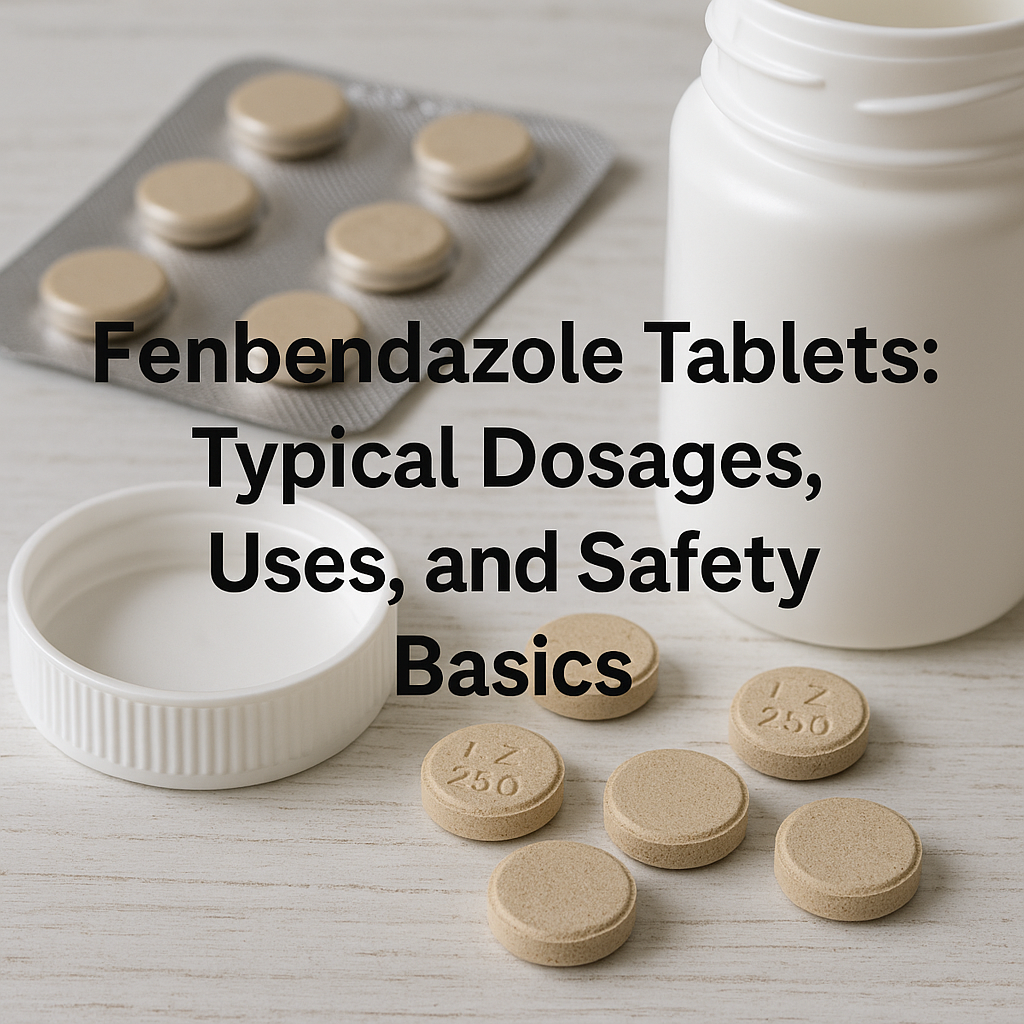
Interest in fenbendazole tablets has grown well beyond the veterinary clinic in recent years, especially online. Yet most detailed dosing information is written for professionals, not everyday pet owners. This guide focuses on how fenbendazole tablets are typically used, what standard dosage ranges look like in animals, and the key safety points to keep in mind.
What Fenbendazole Tablets Are (and Aren’t)
Fenbendazole is a broad‑spectrum anthelmintic (dewormer) that has been used for decades in veterinary medicine. It is commonly formulated as oral suspensions, granules, pastes, and tablets for different species.
Important context:
- Intended use: Fenbendazole is approved in many countries for treating certain internal parasites (like roundworms, hookworms, some tapeworms, and certain lungworms) in animals such as dogs, cats, horses, cattle, sheep, goats, and others, depending on the specific product and label.
- Species‑specific products: The same drug name does not mean the same formulation, strength, or approved use. Dog tablets, for example, are not automatically appropriate for cats or livestock.
- Not a general health supplement: Fenbendazole is a medication, not a vitamin or wellness product. Using it without a clear, veterinary‑guided reason can expose animals to unnecessary risk.
This article provides general, educational information about fenbendazole dosage patterns in tablet form. It is not a substitute for a tailored dosing plan from a veterinarian.
Common Fenbendazole Tablet Strengths and Formulations
Fenbendazole tablets are manufactured in different strengths depending on species and brand. Examples of strengths you may encounter include:
- Low‑dose tablets (for small dogs, cats, or small animals)
- Medium‑dose tablets (for medium to large dogs)
- High‑strength boluses or large tablets (for livestock such as cattle or sheep)
The exact milligram (mg) amount of fenbendazole per tablet varies by product line. Because each brand and species‑targeted product is different, always check:
- The active ingredient strength (mg fenbendazole per tablet)
- The species the product is labeled for
- The weight range each tablet is designed to treat
Never assume that because two products both say “fenbendazole” they can be used interchangeably or at the same dose.
How Fenbendazole Dosage Is Usually Determined
For animals, fenbendazole dosage is generally calculated based on body weight and parasite type, not just age or size categories. Veterinarians typically consider:
- Species: Dog, cat, horse, cattle, sheep, goat, small mammal, etc.
- Body weight: Usually in kilograms (kg) or pounds (lb), then converted to kg for dosing.
- Target parasites: Intestinal worms vs. lungworms vs. specific tapeworm species.
- Clinical situation: Routine deworming, heavy infestation, kennel or shelter exposure, or follow‑up treatment after a positive fecal test.
- Product labeling: Instructions on the specific fenbendazole tablet product being used.
Most veterinary labels express the fenbendazole dose as a certain number of milligrams per kilogram of body weight (mg/kg), given once daily for a specified number of days. The total dose is then converted into the number of tablets.
Typical Informational Dosage Ranges (By Species)
The following are general informational examples of how fenbendazole tablets or oral fenbendazole products are often used in veterinary practice. Exact dosages, durations, and indications vary by country, brand, and professional judgment. Always follow the instructions from your veterinarian and the specific product label.
Dogs
In dogs, fenbendazole is commonly used for many intestinal nematodes and, in some regions, for certain protozoal infections when used off‑label under veterinary guidance.
- General intestinal worm control: Many canine formulations use a dose in the range of a set mg/kg once daily for several consecutive days, often 3 days in a row. The number of tablets is then matched to the dog’s weight and product strength.
- Puppies: Young puppies may be dewormed on a schedule (for example, every 2–3 weeks at certain ages) using age‑ and weight‑appropriate doses, but the exact plan should be designed by a veterinarian.
- Special situations: For certain parasites or mixed infections, veterinarians may adjust the duration or combine fenbendazole with other medications.
Because dogs vary enormously in size—from toy breeds to giant breeds—the same tablet strength is rarely appropriate for all dogs. Splitting or combining tablets without guidance can easily lead to under‑ or overdosing.
Cats
Fenbendazole is used in cats for some intestinal parasites, but feline dosing and product approvals differ from dogs.
- Species‑appropriate product: Only use fenbendazole tablets or formulations that are specifically labeled or prescribed for cats.
- Weight‑based dosing: Cats are particularly sensitive to dosing errors because of their smaller size and unique metabolism, so careful weight‑based calculation is crucial.
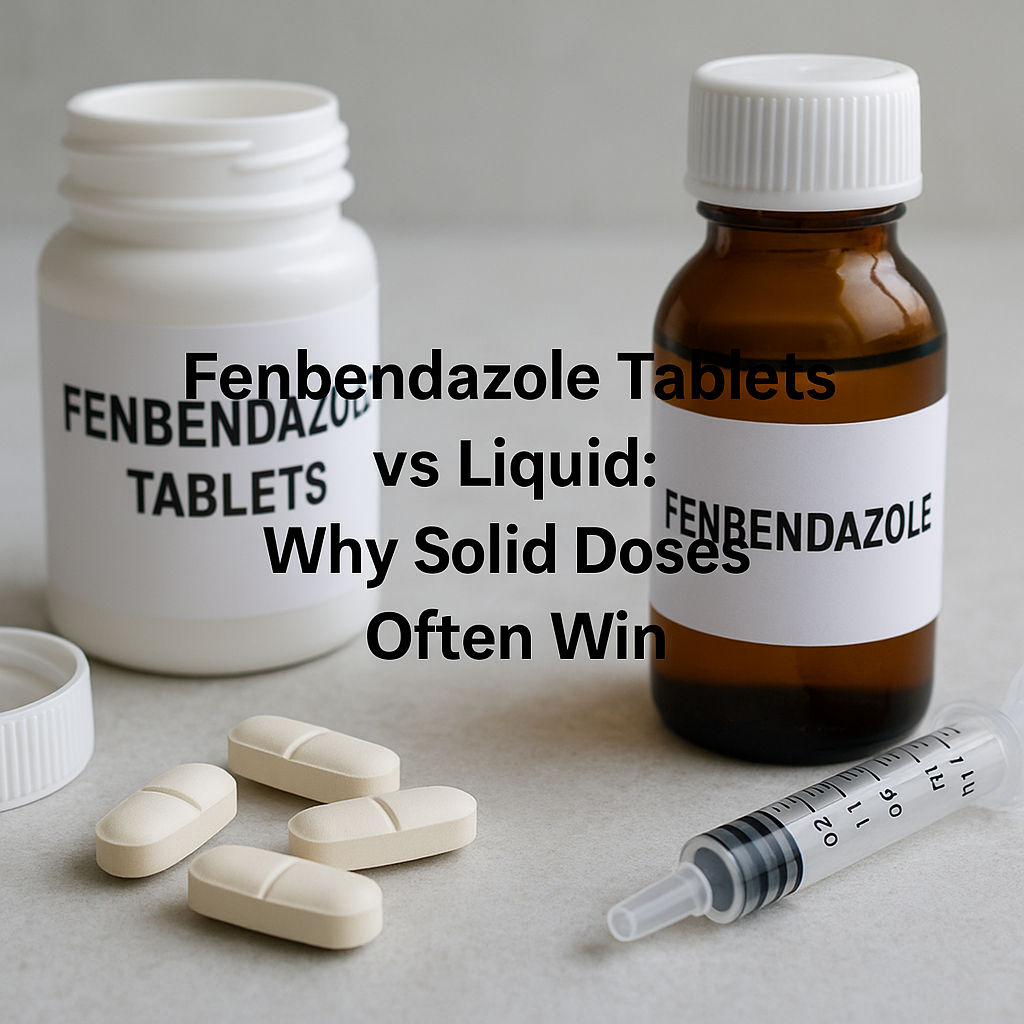
- Palatability and administration: Some cats may resist tablets; in those cases, your vet may recommend an alternative formulation (such as a paste or suspension) for more accurate dosing.
Horses
In horses, fenbendazole is often supplied as oral paste or granules, but tablets or large boluses may be used in some contexts.
- Routine deworming: Traditionally, horses have received fenbendazole at a weight‑based dose as part of a broader parasite control plan.
- Targeted treatments: Higher or prolonged dosing regimens may be used under veterinary supervision for specific parasites or heavy burdens.
- Modern parasite control: Many equine veterinarians now emphasize fecal egg count testing and strategic deworming rather than automatic, frequent dosing.
Cattle, Sheep, Goats, and Other Livestock
In ruminants, fenbendazole is usually given as a drench, bolus, or medicated feed, but tablet‑like boluses are common in some regions.
- Herd dosing: Livestock are frequently dosed by weight range, with dosing guns, drenches, or large boluses designed for group treatment.
- Withdrawal times: For food‑producing animals, veterinarians must observe required withdrawal periods (time from last dose to when milk, meat, or eggs can enter the food chain). These vary by country and product.
- Resistance concerns: Parasite resistance to dewormers is a growing problem. Overuse or underdosing of fenbendazole can contribute to resistant worm populations.
How to Read Fenbendazole Tablet Labels Safely
Because fenbendazole dosage depends heavily on product strength and species, careful label reading is essential.
Key parts of the label to check:
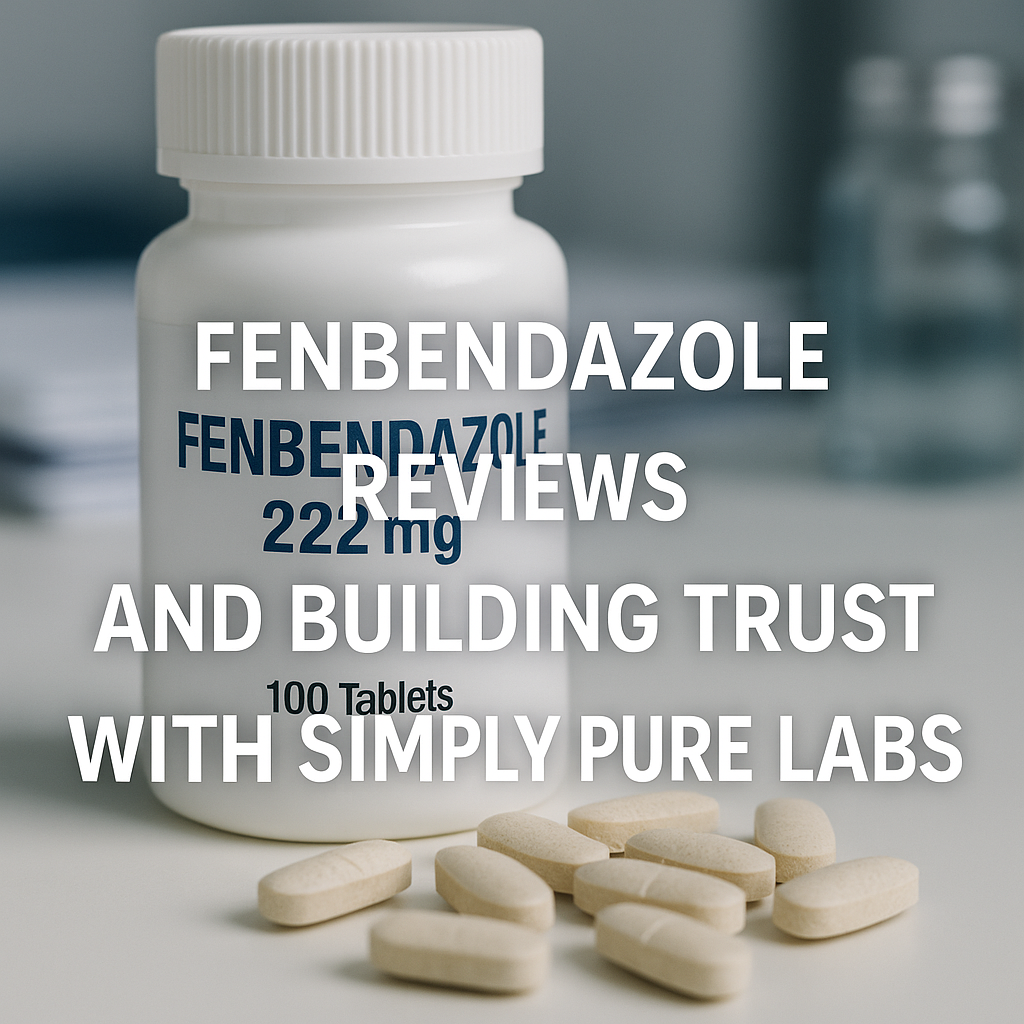
- Active ingredient and strength: Confirm that the product contains fenbendazole and note the mg per tablet.
- Species and indication: Verify that your animal species is listed and that the product is intended for the kind of parasites being treated.
- Dose schedule: Look for how many mg/kg are recommended, how many days in a row, and whether repeat treatments are suggested.
- Contraindications and warnings: Some labels specify age limits, pregnancy/lactation precautions, or restrictions for animals intended for food production.
- Storage: Store tablets as directed (usually in a dry place at room temperature) and away from children and non‑target animals.
Safety Profile and Potential Side Effects
Fenbendazole has been used widely in veterinary medicine and is generally considered to have a relatively wide margin of safety in many target species when used as directed. Nonetheless, side effects and complications can occur, especially with misuse.
Possible issues include:
- Gastrointestinal upset: Vomiting, diarrhea, or reduced appetite may occur in some animals.
- Lethargy: Mild tiredness may be noted after dosing in some pets.
- Allergic‑type reactions: Rarely, animals may experience hypersensitivity reactions, including swelling, hives, or more serious signs.
- Reaction to parasite die‑off: In heavily infested animals, the sudden death of many worms can itself cause temporary illness or, in severe cases, more serious complications.
If an animal shows severe vomiting, collapse, breathing difficulty, seizures, or other alarming signs after taking fenbendazole tablets, this is an emergency and requires immediate veterinary care.
Common Dosing Mistakes to Avoid
Even when the medication itself is relatively forgiving, dosing errors can undermine treatment or pose risks.
- Guessing weight: Estimating your pet’s weight by eye can lead to substantial under‑ or overdosing. Whenever possible, use an accurate scale.
- Using the wrong species’ product: For example, giving a dog‑labeled tablet to a cat or using a livestock bolus in a pet. Formulation and dosing assumptions differ.
- Changing the schedule without guidance: Extending, shortening, or repeating courses without veterinary input can either fail to clear parasites or encourage resistance.
- Splitting tablets incorrectly: Some tablets are not scored for splitting, and breaking them may result in uneven doses.
- Combining with other dewormers unnecessarily: Stacking multiple antiparasitic drugs without professional oversight increases the risk of side effects without guaranteed benefit.
Special Situations: Pregnancy, Nursing, and Young Animals
Use of fenbendazole tablets in pregnant, nursing, or very young animals should always be guided by a veterinarian, even if the label mentions these groups.
- Pregnant animals: Some protocols use fenbendazole during late pregnancy to help reduce transmission of certain parasites to offspring, but timing and dose are specific and should not be improvised.
- Nursing animals: Deworming a nursing mother can indirectly help protect offspring, yet the safety profile and timing depend on species, health status, and product labeling.
- Neonates and very young animals: Very young puppies, kittens, or other neonates may require adjusted dosing or alternative products; their developing organs can be more sensitive to medication.
Why Professional Guidance Matters for Fenbendazole Dosage
Although fenbendazole tablets are sometimes sold over the counter for certain animals, that does not mean self‑directed dosing is risk‑free. Parasite control is more complex than simply giving a dewormer periodically.
A veterinarian can help by:
- Confirming whether deworming is needed at all, often via fecal testing.
- Identifying the specific parasites involved and choosing the most appropriate medication.
- Calculating an accurate fenbendazole dosage based on weight, species, and health status.
- Designing a prevention plan that may include environmental control, routine testing, and, when needed, scheduled deworming.
- Advising on follow‑up if symptoms persist or parasites recur.
If you are considering fenbendazole tablets for any animal—whether for routine deworming or because you have noticed symptoms such as weight loss, diarrhea, or a dull coat—discuss your plans with a qualified veterinarian before starting or changing any treatment.
Key Takeaways on Fenbendazole Tablets and Dosage
- Fenbendazole is a widely used veterinary dewormer, commonly available as tablets, pastes, and other oral forms.
- Fenbendazole dosage is typically calculated in mg/kg and varies by species, product, parasite type, and clinical situation.
- Careful label reading and accurate weight measurement are essential to avoid dosing errors.
- Side effects are usually mild when used correctly, but serious reactions or complications can occur, especially in heavily parasitized or medically fragile animals.
- Professional veterinary guidance is the safest way to determine if fenbendazole tablets are appropriate and how they should be used.
This information is intended as general education only. It is not medical or veterinary advice and does not replace a consultation with a licensed professional who can evaluate your specific animal and circumstances.
Thanks for reading our blog.