
If you’ve been dealing with stubborn warts, you’ve probably seen Wart Wizard mentioned as a “miracle” wart remover. Before you spend money or put anything on your skin, it’s worth slowing down and asking a better question than just, “Is Wart Wizard the best wart removal treatment?” The real question is: how does it stack up against proven options, and when does it actually make sense to try it?
Understanding Warts and Why They’re Hard to Treat
To judge whether Wart Wizard is the best wart removal treatment, it helps to know what you’re fighting.
- What warts are: Warts are benign skin growths caused by certain strains of the human papillomavirus (HPV). They’re not dangerous in most people, but they can be painful, contagious, and cosmetically bothersome.
- Why they’re stubborn: The virus lives in the upper layers of the skin. Even if the surface bump comes off, viral-infected tissue may remain underneath, which is why warts can recur.
- Common types you might be treating:
- Common warts: rough bumps, usually on hands and fingers.
- Plantar warts: grow on the soles of the feet; can feel like a stone in your shoe.
- Flat warts: smoother, smaller, often on face, neck, or legs.
- Periungual warts: around fingernails and toenails; can be painful and hard to treat.
Any product that claims to be the “best wart removal treatment” needs to show it can reliably destroy this infected tissue while minimizing pain, scarring, and recurrence.
What Wart Wizard Is (and What It Isn’t)
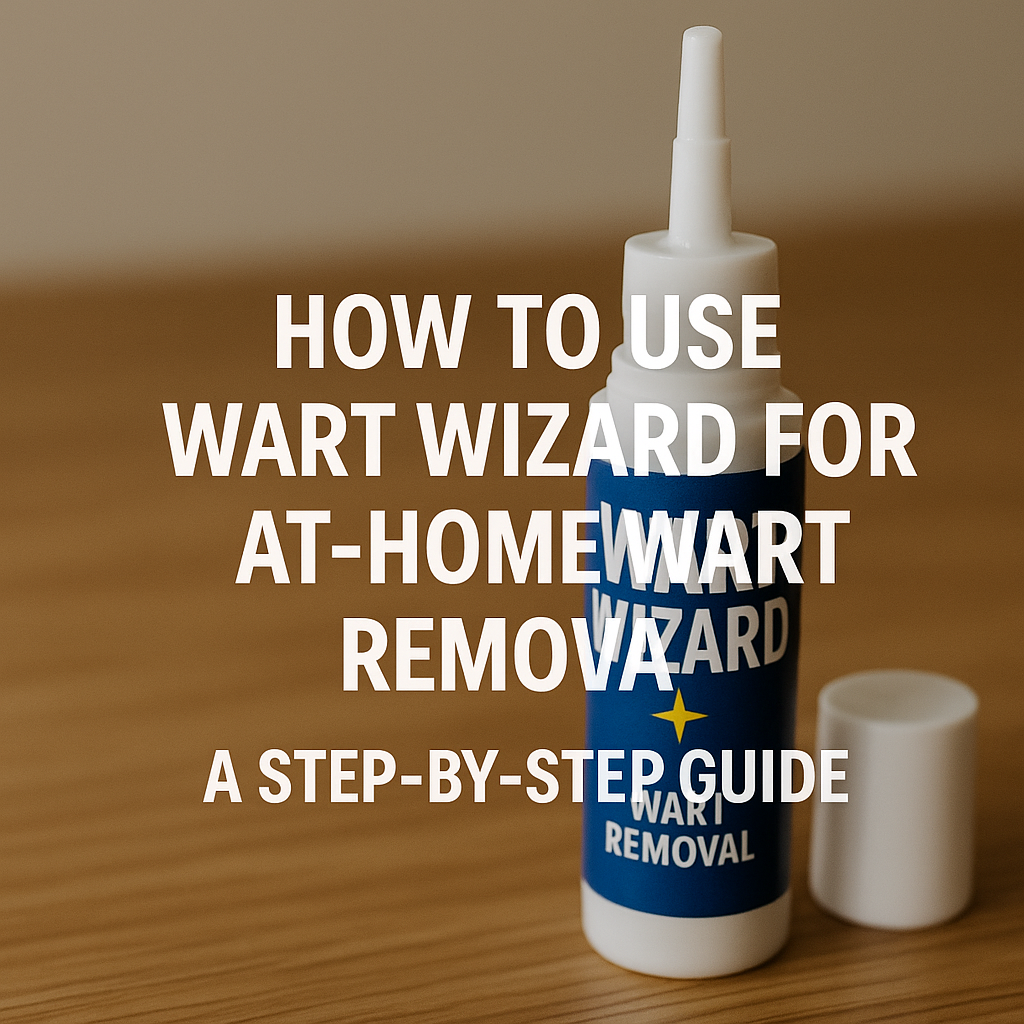
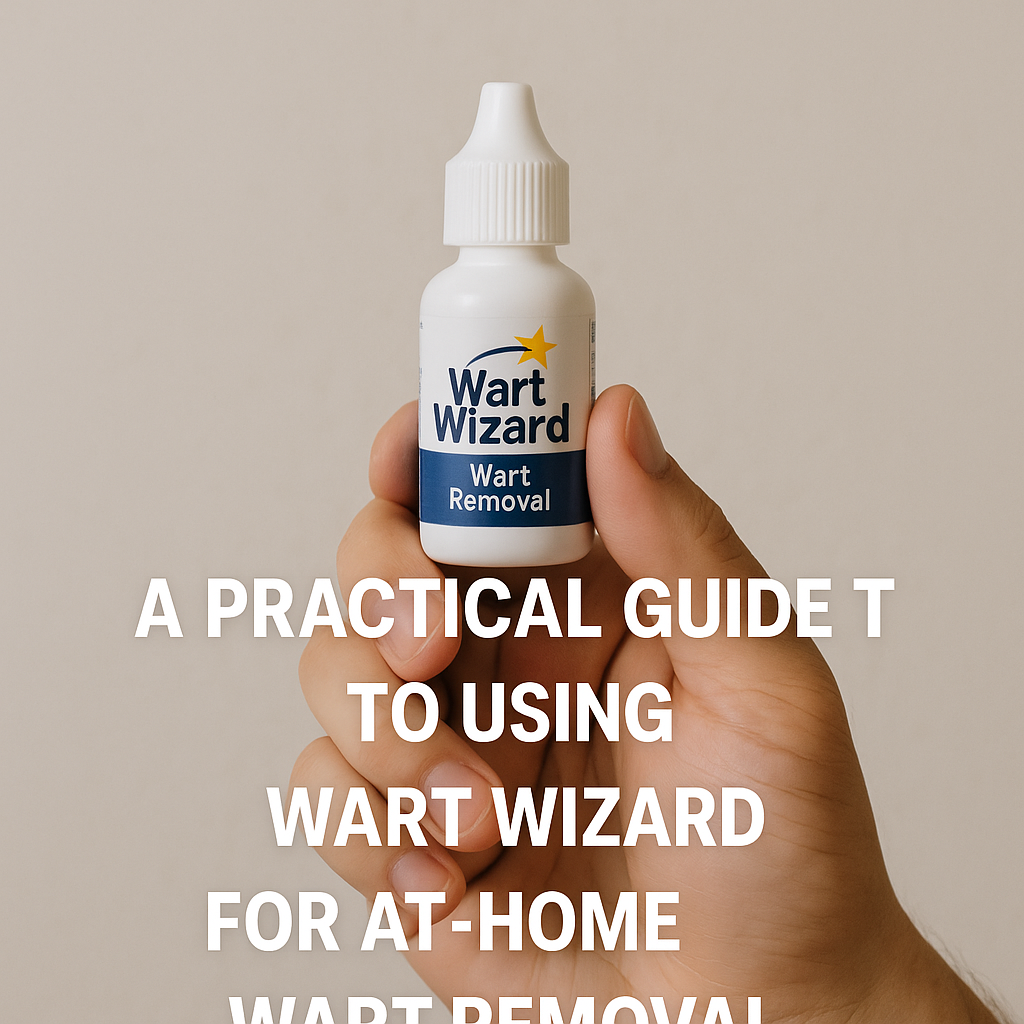
Wart Wizard is marketed as a specialized wart removal solution, typically used at home and positioned as a strong alternative to over-the-counter wart removers. Exact formulations, instructions, and claims can vary by seller, so always read the current label and directions carefully.
While branding may make Wart Wizard sound dramatically different from traditional products, in practice it will usually fall into one of a few broad categories of treatment:
- Chemical destruction: using ingredients similar to common wart acids (often salicylic acid or other keratolytics) to gradually peel away infected skin.
- Caustic agents: stronger chemicals that deliberately burn or chemically cauterize the wart tissue.
- Combination systems: some products combine a solution with occlusive coverings, exfoliation steps, or repeat applications over weeks.
Before assuming Wart Wizard is uniquely powerful, look for what really matters: the active ingredient, the strength, how it’s used, and what kinds of warts it’s intended for.
How Wart Wizard Compares to Proven Wart Treatments
Dermatologists rely on a relatively small set of proven strategies to remove warts. Comparing Wart Wizard to these can help you decide where it fits in your plan.
1. Salicylic Acid (OTC Standard)
What it is: Over-the-counter wart removers with salicylic acid (usually 17–40%) are widely used first-line treatments.
How it works: Salicylic acid softens and dissolves layers of thickened skin, allowing gradual removal of the wart while stimulating local immune response.
Strengths:
- Extensively studied and widely recommended.
- Affordable and available in most pharmacies.
- Works for many common and plantar warts with consistent use over weeks.
Limitations:
- Requires patience and daily application.
- May be less effective for very deep, large, or long-standing warts.
- Not ideal for sensitive areas (face, genital area) without medical guidance.
Where Wart Wizard fits in: If Wart Wizard’s main active ingredient is salicylic acid or a similar keratolytic, its effectiveness will likely depend less on the name and more on concentration, application method, and your consistency.
2. Cryotherapy (Freezing)
What it is: Liquid nitrogen freezing done in a clinic, or milder OTC freezing kits.
How it works: Rapid freezing and thawing damages wart tissue and can trigger an immune response against HPV.
Strengths:
- Often faster than acids alone, especially under professional care.
- Useful for hand and foot warts, and sometimes for clusters.
Limitations:
- In-office treatments can be painful and require repeat visits.
- May cause blistering, temporary pigment changes, or rare scarring.
- Home freezing kits are generally weaker and less precise.
Where Wart Wizard fits in: If you’re trying to avoid clinic-based cryotherapy costs or discomfort, a home treatment like Wart Wizard might be appealing, but it is not a direct substitute for professional freezing in terms of control and monitoring.
3. Prescription-Strength and Office Procedures
For resistant or complex warts, dermatologists may use:
- Higher-strength acids: such as trichloroacetic acid or stronger salicylic acid, applied carefully in-office.
- Immunotherapy: treatments that stimulate your immune system to attack HPV-infected cells (for example, certain topical agents or injected therapies).
- Electrosurgery, curettage, or laser: physical removal or destruction of warts under local anesthesia.
These approaches are typically reserved for warts that don’t respond to simpler options or that are located in sensitive or high-risk areas.
Where Wart Wizard fits in: It’s best viewed as a home-care option that you try before or between professional treatments—not a replacement for medical care in high-risk situations.
Is Wart Wizard Really the “Best” Wart Removal Treatment?
“Best” depends heavily on your situation. For some people, Wart Wizard could be a convenient and effective choice. For others, it may be too harsh, not strong enough, or simply not the right type of treatment for their wart.
When Wart Wizard Might Be a Good Fit
- Uncomplicated common or plantar warts: especially if they’re small to moderate in size and not located on the face, genitals, or around nails.
- You prefer home treatment: you’re willing to follow directions closely and monitor your skin yourself.
- You’ve tried basic OTC options without success: a more targeted product like Wart Wizard might be worth trying before jumping to procedures.
When Wart Wizard Is Not Likely the Best Option
- Warts on the face, genitals, or mucous membranes: these areas need medical evaluation. Do not apply harsh chemicals without explicit professional guidance.
- Diabetes, poor circulation, or neuropathy: especially for plantar warts. Even small skin injuries can lead to serious complications; self-treating with caustic agents can be risky.
- Rapidly changing, bleeding, or atypical lesions: anything that doesn’t look like a typical wart should be checked by a professional to rule out skin cancer or other conditions.
- Large, painful, or long-standing warts: these often need a combination approach or in-office treatments.
- Children or very sensitive skin: stronger formulas may cause unnecessary pain or damage.
How to Use Wart Wizard More Safely and Effectively
If you decide to try Wart Wizard, treat it like a serious skin treatment, not a casual cosmetic product. Small technique changes can make a big difference.
1. Confirm It’s Really a Wart
Before using any wart remover, make sure you’re reasonably confident of the diagnosis. Classic signs of a wart include:
- Rough, grainy surface, sometimes with black “seeds” (tiny blood vessels).
- Interruption of normal skin lines (on palms or soles).
- Pain when pinched from the sides (plantar warts) rather than directly pressed like a callus.
If you’re unsure, or if the lesion is pigmented, rapidly changing, or bleeding easily, get it checked before applying any wart remover.
2. Read the Wart Wizard Instructions in Full
Different formulations may have different steps, but in general:
- Follow the recommended frequency: using it more often than directed doesn’t necessarily make it work faster and can increase the risk of burns or scarring.
- Use the right amount: more product is not always better; precision matters.
- Know the duration: some treatments are meant for short contact times, others are left on under a bandage.
3. Protect the Healthy Skin Around the Wart
One of the biggest mistakes with potent wart treatments is damaging the normal skin around the lesion.
- Apply petroleum jelly or a thick ointment in a ring around the wart to shield surrounding skin.
- Use a cotton swab or applicator to target only the wart surface.
- Consider trimming or filing thickened skin (if the instructions allow) to help the product reach the active tissue.
4. Be Patient but Set a Clear Time Limit
Most wart treatments, including Wart Wizard, take time. You should see some gradual change over several weeks, such as softening, shrinking, or surface breakdown of the wart.
- Track progress with photos: take a clear picture every 1–2 weeks to objectively see changes.
- Set a maximum trial period: for example, 6–8 weeks of consistent use. If there’s no clear improvement by then, it’s reasonable to stop and seek professional advice.
5. Know When to Stop Immediately
Discontinue Wart Wizard and seek medical attention if you notice:
- Severe burning, throbbing pain, or significant swelling.
- Open wounds, pus, or signs of infection (spreading redness, warmth, fever).
- Unexpected color changes or rapid growth of the area.
Combining Wart Wizard with Other Wart Strategies
Some people get better results when they combine a focused wart product such as Wart Wizard with simple supportive measures.
- Foot care for plantar warts: cushioning pads, well-fitting shoes, and avoiding going barefoot in communal areas can help prevent spread and reduce pain.
- Immune support basics: adequate sleep, stress management, and overall skin care support your body’s ability to clear HPV, though they’re not magic cures.
- Hygiene steps: don’t share razors, pumice stones, nail clippers, or towels used on wart-affected areas; wash hands after touching warts.
If you’re already under a dermatologist’s care, always ask before layering products; some combinations can over-irritate the skin.
How to Decide if Wart Wizard Is Right for You
To decide whether Wart Wizard is the best wart removal treatment for your situation, walk through these questions:
- Location: Is the wart in a safe area for self-treatment (hands or feet), or is it on the face, genitals, or near nails where scarring or misdiagnosis would be a bigger problem?
- Health background: Do you have diabetes, poor circulation, immune problems, or a history of keloid scarring? If yes, consult a clinician before using strong wart removers.
- Severity: Is this a first-time, small wart, or a large, painful, or long-standing cluster that’s already resisted multiple treatments?
- Tolerance for discomfort and time: Are you prepared for gradual change, possible soreness, and the discipline of consistent application?
- Backup plan: If Wart Wizard doesn’t work within a set timeframe, are you ready to move on to professional options?
When to See a Professional Instead of Relying on Wart Wizard
Even the best home wart remover has limits. Skip self-treatment and see a clinician promptly if:
- The lesion is changing rapidly, bleeding, crusting, or has uneven colors.
- The wart is extremely painful, interferes with walking or using your hands, or keeps coming back after multiple treatments.
- You have many warts spreading quickly or you’re immunocompromised.
- The wart is on a cosmetically sensitive area (face, lips) or near the eyes.
In those scenarios, an in-person evaluation is more important than any specific brand of wart remover.
Bottom Line: Is Wart Wizard the Best Wart Removal Treatment?
Wart Wizard can be a useful part of a wart treatment plan, especially for straightforward warts on hands or feet in otherwise healthy adults who want to treat at home and are prepared to follow directions carefully. Whether it’s the “best” wart removal treatment for you depends on:
- What type of wart you have and where it is.
- Your overall health and risk factors.
- How the product’s active ingredients compare to well-established options like salicylic acid.
- Your willingness to be patient, precise, and to stop if things don’t improve.
Think of Wart Wizard not as a guaranteed cure, but as one tool among many. For simple cases, it may be all you need. For stubborn or high-risk warts, the best treatment is usually a personalized plan created with a qualified medical professional.
If you’re exploring similar products or want to understand where Wart Wizard fits among other options, you may also find it helpful to browse our wart care guides in the Wart Wizard category for more detailed, practical comparisons.
Thanks for reading our blog.