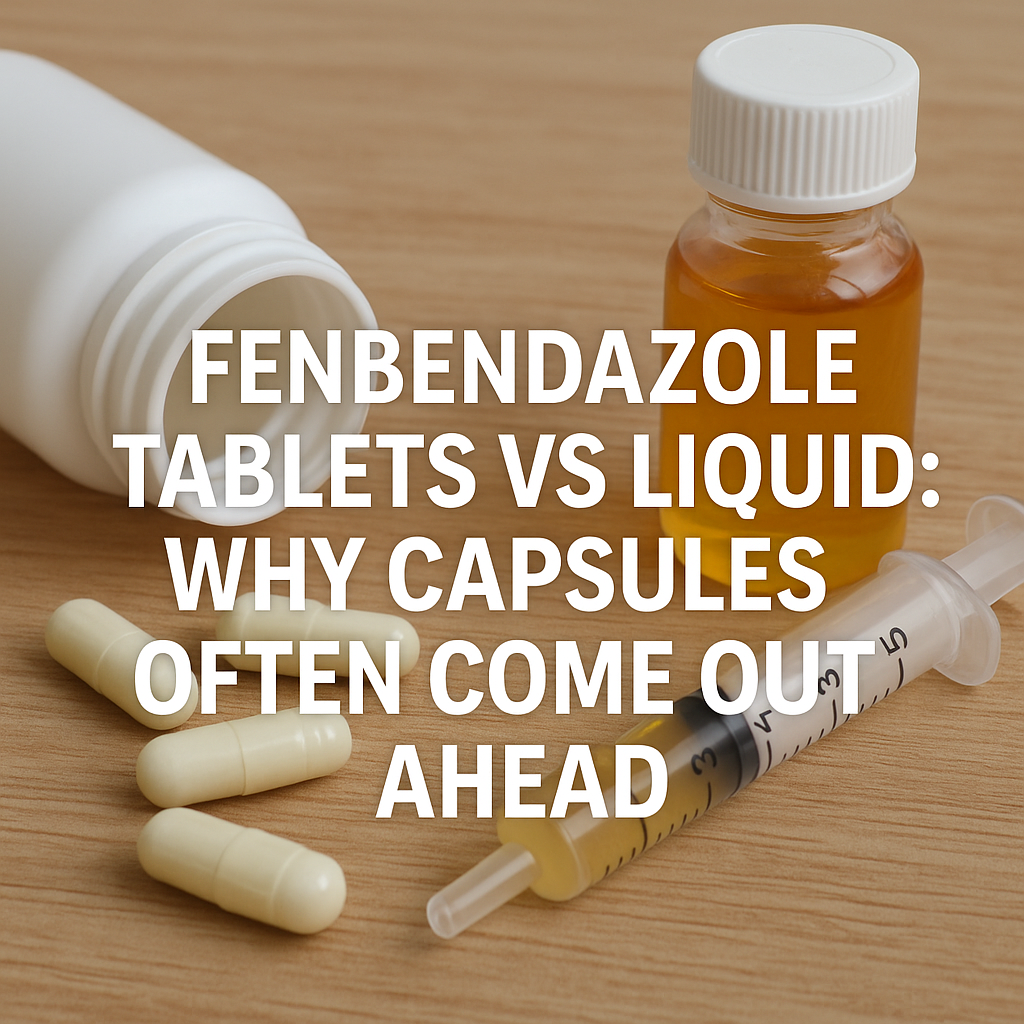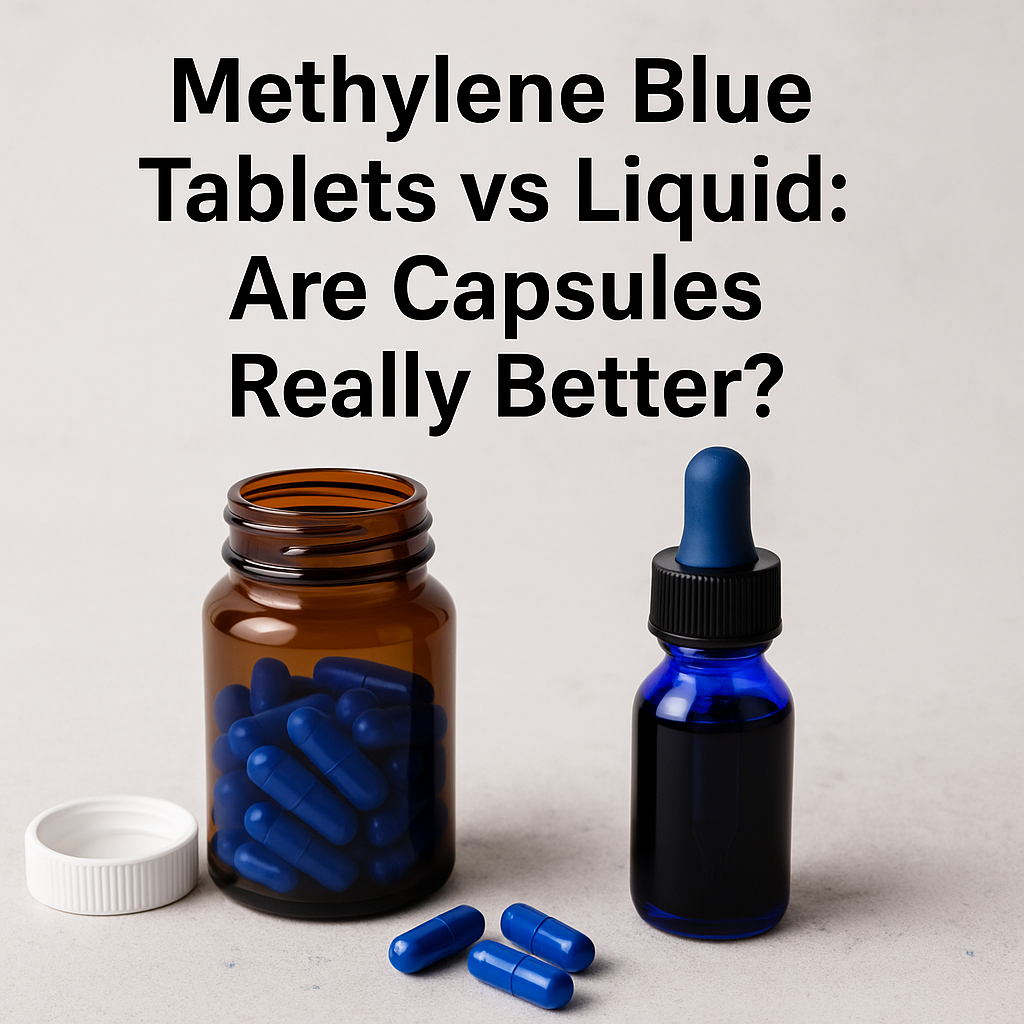
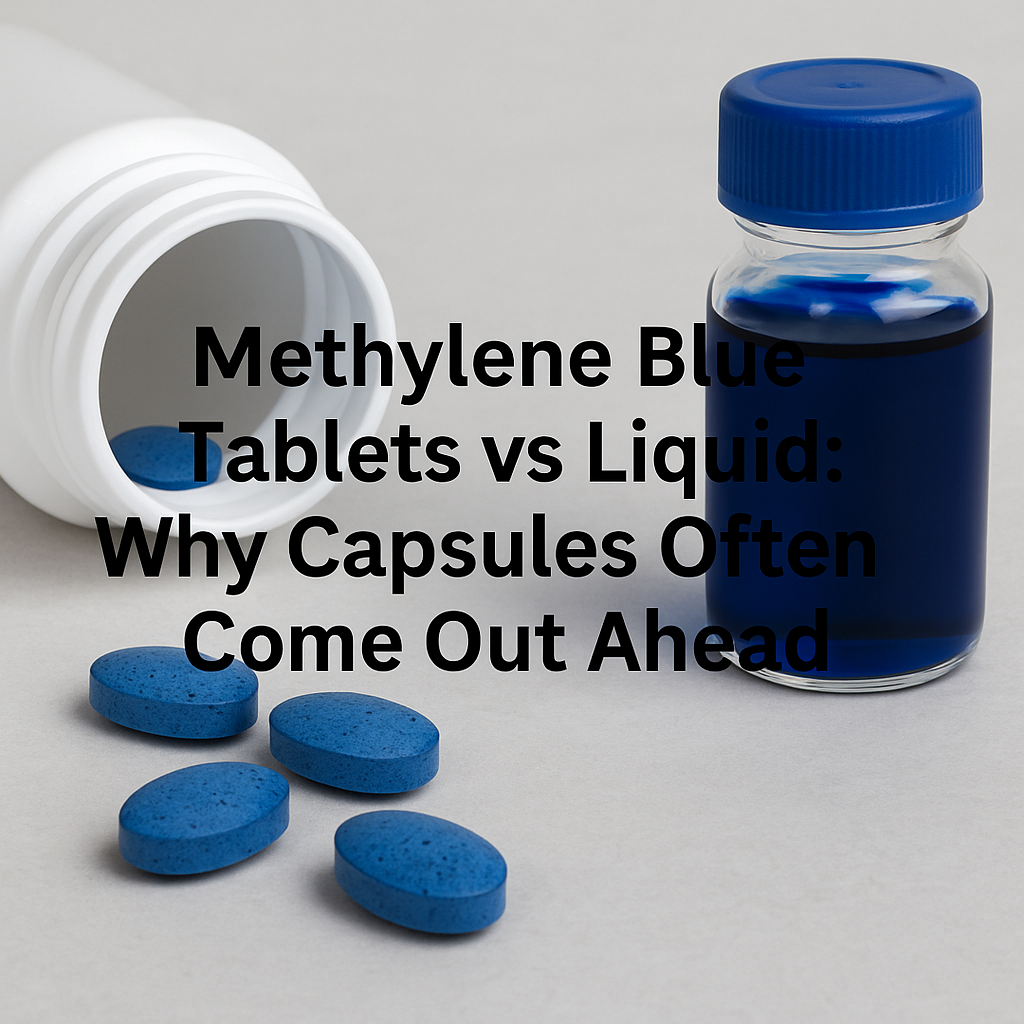
Trying to decide between methylene blue tablets and liquid drops, and wondering why so many people now prefer capsules? Understanding how each form behaves in the body, how you actually use it day to day, and what can go wrong helps explain why methylene blue capsules are often the better choice for most users.
What are methylene blue tablets and capsules, really?
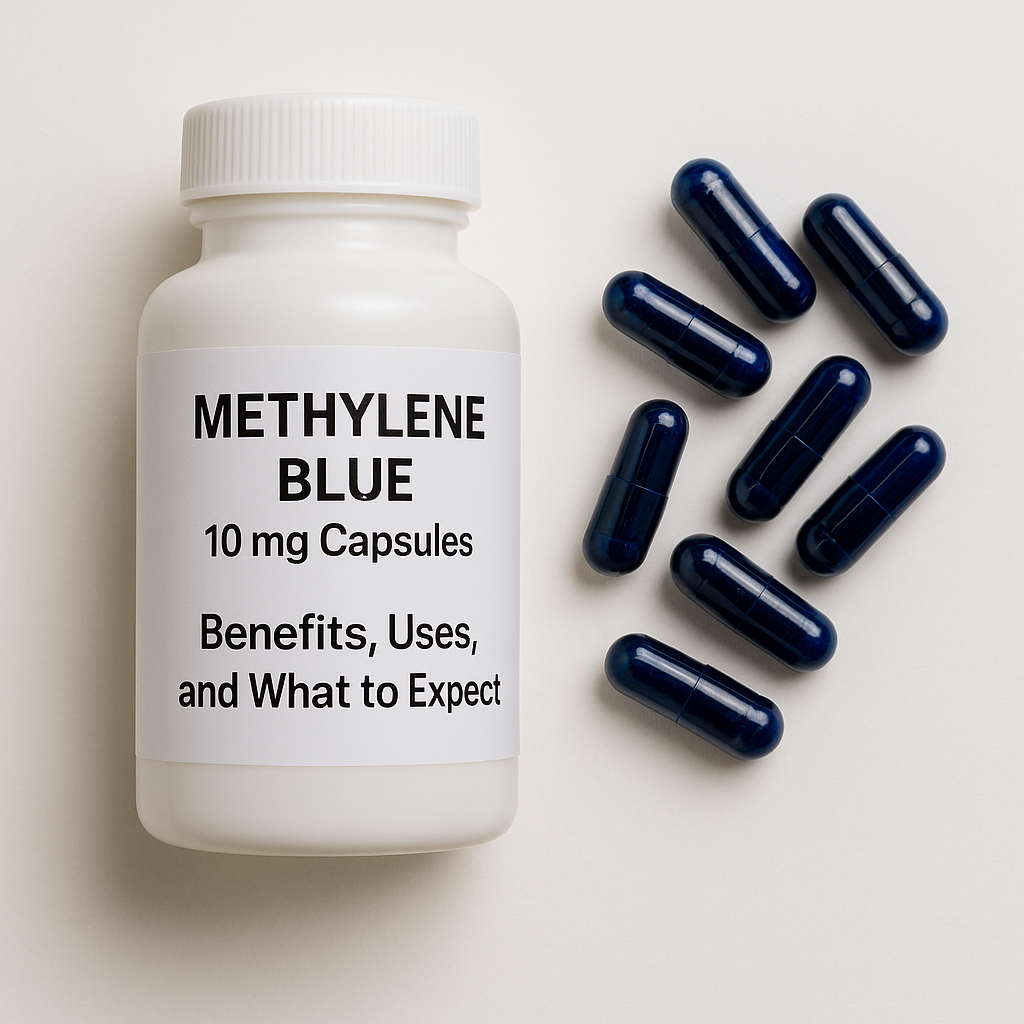
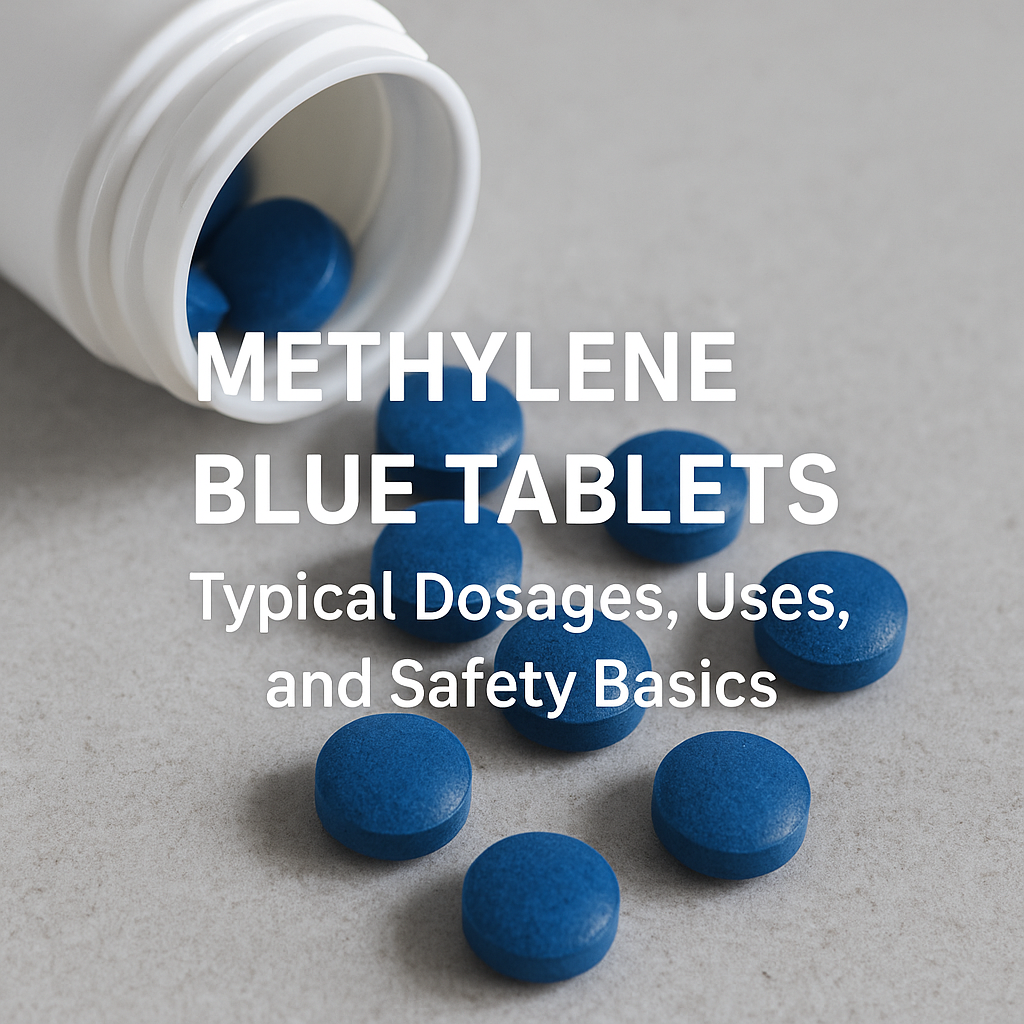
“Methylene blue tablets” in everyday conversation usually refers to solid oral doses – either compressed tablets or, more commonly in modern use, encapsulated powder (capsules). Liquid methylene blue, by contrast, is a dye dissolved in water, alcohol, glycerin, or another solvent and measured out with a dropper or syringe.
Both forms can deliver the same active compound, but the way they are formulated and used creates meaningful differences in consistency, safety, and user experience.
Precision and consistency: where capsules clearly win
If you care about predictable, repeatable dosing, methylene blue capsules are almost always more reliable than liquid solutions.
- Fixed dose per unit: Each capsule (or tablet) is manufactured to contain a specific amount of methylene blue. Once you know the strength (for example, 5 mg or 25 mg per capsule), you simply count capsules – there is no conversion from drops or milliliters.
- Less room for user error: With liquid, dose depends on how carefully you count drops, how vertical the dropper is, and how full each drop actually is. Slight differences in technique can change the dose more than people realize.
- Batch-to-batch uniformity: Quality-focused capsule manufacturers typically blend the active compound with excipients to ensure even distribution before encapsulation. In contrast, home-diluted or improvised liquid solutions can vary significantly in concentration if mixing is incomplete or measurements are imprecise.
For people following a protocol that depends on tight dosing ranges, these factors are not trivial. A capsule helps you stay closer to the intended intake without doing math or measuring tools every time.
Handling, staining, and practicality: the everyday advantages of capsules
Methylene blue is a strong dye. Anyone who has handled the liquid knows how easily it stains skin, countertops, clothing, and even teeth. Here, capsules have very practical benefits.
- Minimal contact with the dye: Capsules keep the powder sealed until they dissolve in the stomach or intestine. You avoid direct contact with the blue liquid when you take them.
- Less risk of spills and leaks: A tipped bottle of liquid methylene blue can permanently stain surfaces. Capsules in a dry bottle or blister pack are far less messy and easier to transport.
- More discreet use: Liquid can temporarily stain lips and tongue a noticeable blue. Capsules, swallowed quickly with water, are much less conspicuous.
- Travel-friendly: Capsules don’t need droppers, syringes, or extra containers. There is no concern about liquid restrictions in carry-on luggage or leaks in a bag.
If you are using methylene blue regularly, these day-to-day conveniences matter. Many users switch from liquid to capsules primarily to avoid the constant risk of staining and the hassle of careful handling.
Stability and shelf life: solid vs liquid formulations
Another key difference between methylene blue tablets or capsules and liquid solutions is how they hold up over time.
- Solid forms are generally more stable: Properly stored capsules and tablets are less exposed to light and oxygen, both of which can affect dyes in solution. This can support a longer, more predictable shelf life compared with some liquids.
- Liquids can degrade faster: Once methylene blue is dissolved, its stability depends on the solvent, pH, exposure to air, light, and temperature. In suboptimal conditions, the concentration and quality may change over time.
- Less reliance on preservatives: Some liquid formulations may include additional ingredients to maintain stability or prevent microbial growth, especially in water-based solutions. Solid oral forms often require fewer such additives.
For users who buy in bulk, rotate stock, or don’t use methylene blue every day, the generally better stability profile of capsules can be an important advantage.
Safety and contamination risk: why solid dosing is often safer in practice
Both liquid and capsule forms can be made safely by reputable manufacturers, but the practical risk of contamination or dosing mistakes is typically higher with liquids, especially if they are homemade or repackaged.
- Reduced contamination opportunities: Every time you open a liquid bottle, insert a dropper, or transfer between containers, you introduce a chance for contamination. Capsules are handled far less once packaged.
- Fewer mixing errors: DIY dilution of methylene blue powder or concentrated liquid to make a custom solution can lead to large errors if scales, pipettes, or calculations are off. With pre-dosed capsules, the manufacturer has already done this work.
- Label clarity: Capsules are usually clearly labeled by dose and count. Homemade liquids or decanted solutions can lose their labels, making it unclear what concentration you actually have.
In short, even if the underlying compound is identical, capsules tend to reduce the number of steps where something can go wrong between the factory and your mouth.
When might methylene blue liquid be preferable?
Despite the many advantages of capsules, liquid methylene blue still has some legitimate use cases.
- Fine-tuned micro-dosing: If someone requires very small or incremental dose changes below what a single capsule provides, a carefully prepared liquid can allow gradual adjustments, provided the concentration is accurately known.
- Non-oral routes: Certain specialized uses (for example, laboratory, veterinary, or industrial applications) may require methylene blue in liquid form to be applied locally, mixed into other solutions, or used in diagnostic procedures.
- Short-term or situational use: In some settings, a practitioner may prefer liquid for a one-time or short-term application where precise titration is needed and long-term convenience is less important.
These scenarios are more niche. For typical oral use by an individual looking for practicality, capsules are usually simpler and more predictable.
Comparing user experience: what it actually feels like to use each form
Beyond technical pros and cons, many people base their choice on the actual day-to-day experience of taking methylene blue.
- Taste and mouthfeel: Liquid methylene blue can have a noticeable taste and will often color the mouth. Capsules generally bypass taste entirely, which can be a relief for those sensitive to flavor or appearance.
- Routine and habit: Capsules fit easily into existing supplement or medication routines – you take them with water like any other pill. Liquid requires extra steps: shaking the bottle, counting drops, possibly diluting in another liquid.
- Perceived control: Some users feel more “in control” using a liquid because they can adjust drop counts. Others feel more secure with capsules because the dose is clearly defined. Which matters more depends on your personality and goals.
For many, the simplicity and low-friction nature of capsules outweigh the perceived flexibility of liquids, especially once they’ve settled on a stable dose.
Cost and value: are capsules more expensive?
On a per-unit basis, methylene blue liquid can sometimes appear cheaper, especially when buying concentrated solutions or bulk volumes. However, this apparent cost advantage needs context.
- Effective cost per accurate dose: If liquid dosing is inconsistent or if you discard degraded or contaminated product, the real cost per effective dose may rise.
- Hidden costs of mess and waste: Spills, stains, and the need for extra equipment (droppers, protective surfaces, mixing containers) add small but real costs in time and materials.
- Value of convenience and confidence: Many users are willing to pay slightly more per dose for capsules because they save time, reduce frustration, and increase confidence in what they are actually taking.
When you factor in convenience, stability, and lower risk of waste, capsules often provide better overall value, even if the sticker price per bottle is higher than some liquids.
How to choose: which form is right for you?
While both forms can deliver methylene blue, the best choice depends on your priorities.
Choose methylene blue capsules if:
- You want simple, consistent dosing without math or measuring tools.
- You plan to use methylene blue regularly or long term.
- You want to avoid stains, spills, and blue teeth.
- You prefer a travel-friendly, discreet format that fits into a pill organizer.
Consider methylene blue liquid if:
- You need very fine control over small dose adjustments that standard capsule strengths don’t offer.
- You are working in a specialized setting (for example, lab or technical applications) that specifically calls for liquid.
- You are comfortable with accurate measurement and handling of dyes, and you value flexibility over convenience.
Where capsules fit within methylene blue options
Within the broader category of methylene blue products, capsules occupy a sweet spot for everyday oral use. They combine the precision of pre-measured doses with the practicality of a dry, stable, and low-mess format.
If you are exploring different methylene blue formats, it can help to see capsules as the default, general-purpose choice, with liquid reserved for special circumstances that truly require it. For a deeper look at forms, strengths, and practical considerations, you can explore related resources in the methylene blue category.
Bottom line: why methylene blue capsules are often the better choice
When you compare methylene blue tablets or capsules to liquid side by side, a clear pattern emerges:
- Capsules offer more consistent dosing and fewer opportunities for user error.
- They are far less messy, with much lower risk of staining and spills.
- They tend to be more stable over time and easier to store and transport.
- They integrate smoothly into daily routines and are more discreet to use.
Liquid methylene blue still has roles to play, especially where ultra-fine dose control or non-oral uses are required. But for most people seeking a straightforward, reliable way to take methylene blue by mouth, capsules are the more practical and user-friendly option.
Thanks for reading our blog.