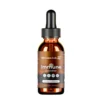
Turkey tail used to be a mushroom only herbalists talked about. Now it’s showing up in coffee blends, gummies, and wellness shots—and for good reason. As interest in immune health and gut balance has grown, so has curiosity about the potential benefits of turkey tail mushroom.
Below is a clear, practical look at what turkey tail is, the key turkey tail mushroom benefits people are most interested in, and how it’s commonly used today—along with a few cautions to keep in mind.
What Is Turkey Tail Mushroom?
Turkey tail (scientific name Trametes versicolor) is a colorful bracket fungus that grows on dead or decaying wood. Its fan-shaped layers in shades of brown, tan, and gray resemble a wild turkey’s tail, which is how it got its name.
In traditional herbal practices, turkey tail has been used for centuries as a general health tonic. Modern interest focuses on its rich content of polysaccharides, especially beta-glucans and compounds such as polysaccharopeptides (often abbreviated as PSP and PSK), which are thought to influence immune and gut function.
Core Benefit: Support for a Healthy Immune Response
One of the most talked-about turkey tail mushroom benefits is its potential to support the immune system. Rather than acting like a stimulant, turkey tail is often described as an immune “modulator” that may help the body respond more appropriately to everyday challenges.
How this may show up in real life:
- You’re going through a high-stress period at work and want extra support for overall resilience.
- You’re frequently around crowds—airports, classrooms, public transit—and are looking for routine immune maintenance.
- You’re building a daily wellness stack and want a mushroom option that’s more about long-term support than a quick jolt.
Research into turkey tail and immunity is ongoing, and most evidence focuses on how its polysaccharides interact with immune cells. It’s important to remember that no mushroom can replace medical treatment, but many people use turkey tail as part of a broader lifestyle approach that includes sleep, nutrition, and stress management.
Gut Health & Prebiotic Support
Another key reason turkey tail has become popular is its role as a potential prebiotic. Prebiotics are compounds that help feed beneficial bacteria in the gut.
Turkey tail contains complex fibers and polysaccharides that may encourage the growth of helpful gut microbes. A more balanced gut environment is linked to digestion, nutrient absorption, and even aspects of mood and immune function.
Where this can feel beneficial:
- You’re working on improving digestion and want to support your microbiome alongside a fiber-rich diet.
- You already take a probiotic and are looking for prebiotic support to complement it.
- You prefer food- and plant-based approaches to gut health rather than heavily processed options.
As with any gut-supportive ingredient, consistency matters. People who use turkey tail for digestive and microbiome support typically take it daily over weeks or months rather than expecting an overnight shift.
Antioxidant Activity and Everyday Resilience
Turkey tail mushrooms contain various antioxidant compounds, including phenols and flavonoids. Antioxidants help the body manage oxidative stress, which is a natural byproduct of metabolism, exercise, and environmental exposure.
Why this matters:
- Oxidative stress can affect cells throughout the body; supporting the body’s antioxidant defenses is one way people aim to protect long-term health.
- Many people stack turkey tail with other antioxidant-rich foods—berries, green tea, colorful vegetables—as part of a more comprehensive approach.
Turkey tail is not a magic shield, but including antioxidant-rich mushrooms as part of an overall nutrient-dense diet can be one more way to support daily vitality.
Potential Energy and Wellness Support (Without Stimulation)
Unlike coffee or some other mushrooms, turkey tail is not known for a caffeine-like effect. Instead, people often describe a more subtle sense of steadiness over time, likely tied to better overall resilience and gut support.
In practice, you might notice:
- Less of an afternoon crash when turkey tail is part of a balanced routine with good sleep and nutrition.
- A sense of long-term support, rather than an immediate “buzz.”
- An option for those who are sensitive to stimulants but still want a daily wellness ritual.
Because the effects are gradual, many people combine turkey tail with other lifestyle pillars—hydration, movement, and stress management—to notice the most meaningful benefits.
How People Commonly Use Turkey Tail
Most people don’t forage turkey tail themselves. Instead, they use prepared extracts and blends designed for everyday use. Common formats include:
- Capsules or tablets: Convenient for consistent daily dosing and travel.
- Powders: Easy to add to coffee, smoothies, or oatmeal. Many multi-mushroom blends include turkey tail for immune and gut support.
- Tinctures or liquid extracts: Useful if you prefer to avoid swallowing pills, or want fast, flexible dosing.
- Functional foods and drinks: Coffee alternatives, cocoa mixes, and wellness shots often pair turkey tail with other mushrooms.
Because product quality can vary, it’s worth looking for brands that specify the mushroom species, extraction method, and active compounds on the label. Many people also prefer products made from fruiting bodies rather than just mycelium, though both are used in the market.
Who Might Be Drawn to Turkey Tail?
Given its profile, turkey tail tends to appeal to people who:
- Want steady immune and gut support as part of daily self-care.
- Are already familiar with reishi, chaga, or lion’s mane and want to round out their mushroom routine.
- Prefer gentle, long-term support over intense, short-term effects.
- Are building a wellness stack focused on resilience, digestion, and overall vitality.
If you’re exploring functional mushrooms for the first time, turkey tail is often considered a foundational option thanks to its long history of traditional use and focus on core systems like immunity and gut health.
Important Considerations and Possible Downsides
Despite the promising turkey tail mushroom benefits, it’s important to keep perspective and use it thoughtfully.
- Not a replacement for medical care: Turkey tail can complement, but not substitute for, professional diagnosis or treatment.
- Individual responses vary: Some people notice changes in digestion or general well-being; others may feel very little.
- Digestive sensitivity: Because of its fiber and prebiotic content, a small number of people may experience gas, bloating, or mild stomach discomfort, especially at higher doses.
- Allergies and interactions: Anyone with known mushroom allergies, complex medical conditions, or who is pregnant, nursing, or on prescription medications should speak with a qualified healthcare professional before using turkey tail regularly.
As with any supplement, a cautious, informed approach is best—starting low, monitoring how you feel, and checking in with a professional if you have questions or existing health concerns.
Making Turkey Tail Part of a Modern Wellness Routine
Turkey tail has moved from niche herbal texts into mainstream wellness because it aligns with what many people are prioritizing now: immune resilience, gut health, and gentle, sustainable support rather than quick fixes.
If you’re curious, a practical way to start is to:
- Choose a well-made turkey tail extract or blend that clearly lists its ingredients.
- Use it consistently for several weeks alongside a nutrient-dense diet, movement, and sleep.
- Notice how you feel in terms of digestion, energy steadiness, and overall resilience.
Used thoughtfully, turkey tail can be a versatile addition to a modern wellness toolkit—especially for those who are serious about long-term immune and gut support.
Thanks for reading our blog.